Hot Foil Stamping vs Screen Printing vs Debossing for Box Logos
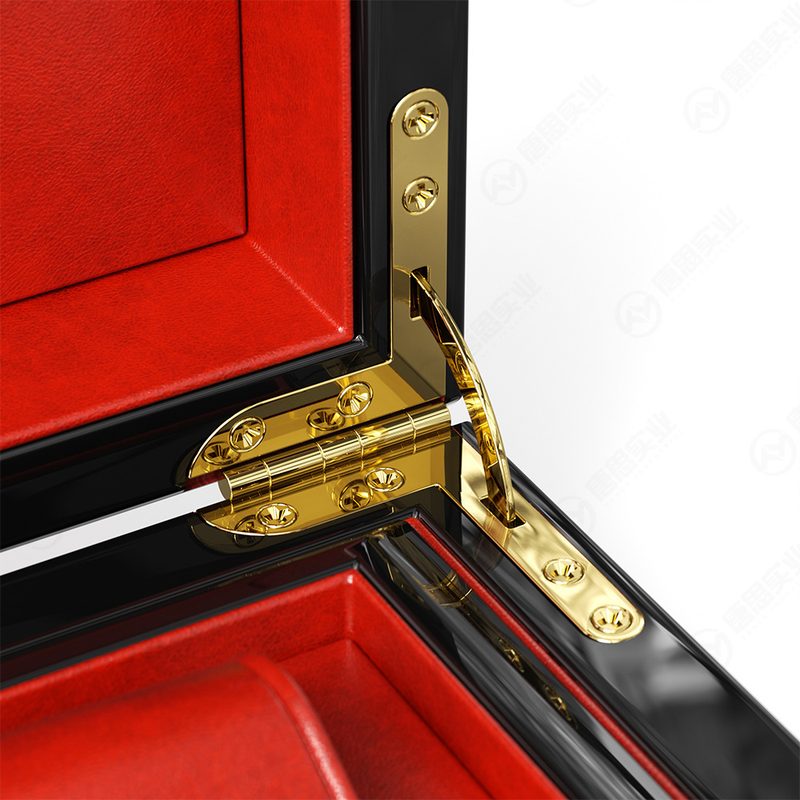
A box can be perfectly built and still feel unfinished if the logo is wrong. On a wooden, lacquered or leather box, the logo is not a sticker added at the end — it is a surface treatment that interacts with the material underneath it. The same brand mark reads completely differently in gold foil on black lacquer, in screen-printed ink on raw wood grain, or pressed blind into full-grain leather. This guide compares the three methods we use most, explains where each one performs, and shows how to brief them into a custom project.
Why the logo finish decides how the whole box reads
Buyers handle a box twice before they see the product inside: once on the shelf, once in the hand. The logo finish drives both moments. A mirror-polish lacquer box with a fine gold-foil mark reads jewellery-counter luxury; the same box with a heavy printed logo reads promotional. The choice is not about which method is objectively best — it is about which method matches your surface, your brand tone and your budget for tooling and setup.
The three methods at a glance
| Hot foil stamping | A heated die presses metallic or pigmented foil into the surface. Strongest for metallic accents, sharp edges and high contrast on dark surfaces. |
|---|---|
| Screen printing | Ink is pushed through a mesh onto the surface. Strongest for solid brand colours, larger marks and flat open areas. |
| Debossing | A die presses the mark into the material itself, with or without foil or ink. Strongest for texture, subtlety and leather goods positioning. |
Hot foil stamping — the metallic signature
Hot foil is the default language of premium packaging for a reason. The heated die transfers a thin foil layer onto the surface under pressure, producing crisp edges and a metallic brilliance that ink cannot replicate. On high-gloss piano lacquer, gold or silver foil against a deep black or burgundy ground is the classic watch-box and jewellery-box pairing. Foil also performs well on leather, where the heat smooths the fibres just enough to give the mark a slightly burnished look. The trade-offs: foil colours are chosen from a foil library rather than mixed to a Pantone chip, very large solid-foil areas cost more and can show press marks, and fine hairline detail needs a well-made die to survive thousands of impressions.
Screen printing — colour fidelity on flat ground
Screen printing deposits a layer of ink directly onto the surface, which makes it the right tool when brand colour accuracy matters more than metallic shine. On matte lacquer and on wood-veneer surfaces, a screen-printed logo holds a clean, solid colour and can cover a larger area economically. It suits logos with several spot colours or marks that need to sit quietly — a small white wordmark on a walnut lid, for example. Limitations are real, though: ink sits on top of the surface rather than in it, so on handled surfaces it wears before a foil or debossed mark does, and ultra-fine type can thicken as ink spreads through the mesh.
Debossing — luxury you feel before you see
Debossing presses the logo into the material itself. With no foil or ink it is called blind debossing: the mark exists as shadow and texture, catching light at an angle instead of shouting from across the room. On leather it is the signature technique — the grain rearranges around the mark and the impression deepens the sense that the box is a leather good rather than a box with a leather skin. On wood and lacquer, debossing reads more architectural and is often combined with foil: a debossed recess with a gold-foil mark inside gives depth that flat foil alone cannot. The trade-off is that blind debossing has almost no colour contrast, so it depends on strong ambient light or a foil companion to stay legible.
Which method for which surface
| High-gloss piano lacquer | Hot foil for metallic marks; screen printing for solid brand colours. Blind debossing is rarely visible on a mirror surface. |
|---|---|
| Matte lacquer | All three work. Foil gives the sharpest contrast against the soft ground; screen printing matches spot colours well. |
| Wood veneer / solid wood | Screen printing and foil both sit cleanly; grain direction affects very fine detail. Debossing works on softer species. |
| Genuine leather / PU | Foil and debossing lead; debossing is the signature move. Screen printing is possible but least durable here. |
Combining methods — and why it is common
On the projects that photograph best, two techniques usually work together. A debossed panel with a foil logo inside keeps the brand mark visible in dim retail lighting while preserving the tactile impression. A screen-printed pattern with a single foil wordmark separates the decorative layer from the brand layer. Combination runs two setups in the production sequence, so it belongs in the brief from day one — retrofitting a second technique after sampling means a new sampling round, not just a new quote.
What artwork a manufacturer needs from you
Whatever the method, the quality ceiling is set by your artwork. Send vector files — AI or PDF with curves outlined — together with the exact dimensions of the mark and its position on every face it appears on. C4D files are accepted when the logo lives in a 3D visual. State the foil colour or ink reference you expect, whether the mark is one colour or several, and whether it must align with a hinge line, glass edge or drawer front. Vague artwork is the single most common cause of a second sampling round.
Where logo finishing sits in the sampling timeline
Logo treatment is locked during sampling, not after it. Our sampling process takes about 15 days and includes 3D digital proofing plus 2 rounds of revisions — that is where the die size, position and contrast get checked on the real material, not on a screen. Mass production then takes about 30 days after order confirmation, with each process inspected before the next one starts, so a foil fault is caught at the foil station rather than at packing. Custom orders start at 500 pcs per design, which is the volume where owning a custom die pays for itself.
Checklist before you sign off a logo spec
Before approving a sample, check four things in ordinary daylight, not under studio lamps: edge quality (does the foil bleed or the ink feather?), alignment (is the mark square to the box, and consistent across several samples?), contrast (can you read it from the distance a retail shelf demands?), and durability (does the mark survive a thumbnail scrape and a wipe with a dry cloth?). Sign off with photographs of the approved sample — that becomes the quality reference for the production run. If you are still choosing the box itself, start from the structure in our custom rigid boxes overview, then layer the logo decision on top; the surface you pick there narrows the finishing options here.
Working it into a custom project
The logo finish is one decision inside a larger materials brief. It interacts with the wood, lacquer and leather choices described in our custom wooden boxes guide and with the insert and interior decisions that follow. If you want to see how these choices come together on a finished line, browse the watch-box constructions in custom watch boxes, or send your artwork and target quantity through our contact page — every enquiry is answered within 24 hours, and we will confirm the sampling plan with the logo treatment specified, not guessed.
Hot foil stamping, screen printing and debossing — blind or foil-filled — are all supported, and can be combined on the same box. The right method depends on the surface: foil and screen printing lead on lacquer and wood, while debossing is the signature technique on leather. Logo, design and craftsmanship customization are all part of our standard OEM/ODM service.
Yes. Send your brand colour references and artwork in AI, C4D or PDF format together with the exact logo dimensions and positions. Foil shades are selected from a foil library and confirmed on the physical sample during the 15-day sampling process, which includes 3D digital proofing and 2 rounds of revisions.
Custom OEM and ODM orders start at 500 pcs per design. Ready-to-ship designs — over 100 in-stock styles, including our Tancy watch-box line — start at 50 units if you can work with an unbranded or generic finish and add branding later.
Sampling takes about 15 days including 3D digital proofing and 2 rounds of revisions. Mass production takes about 30 days after order confirmation, with each process inspected before moving to the next. Payment is by T/T with a 30% deposit and the 70% balance before shipment.