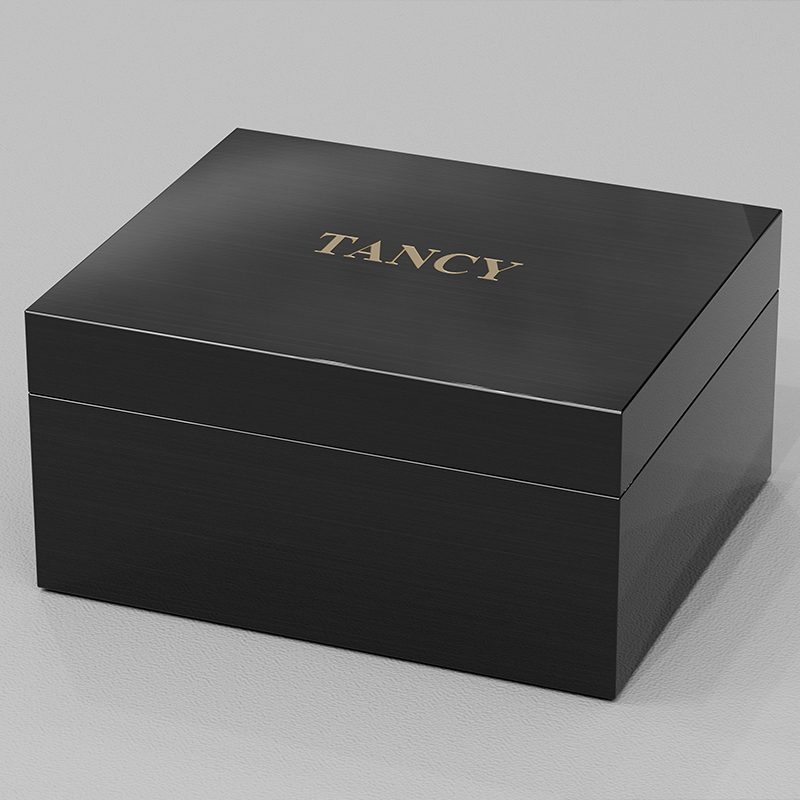
Luxury Watch Box: The Details That Decide Whether It Feels Premium
Luxury in a watch box is not a material label. It is a short list of decisions you can specify and inspect — starting with what the box does when you lift it.
Read More →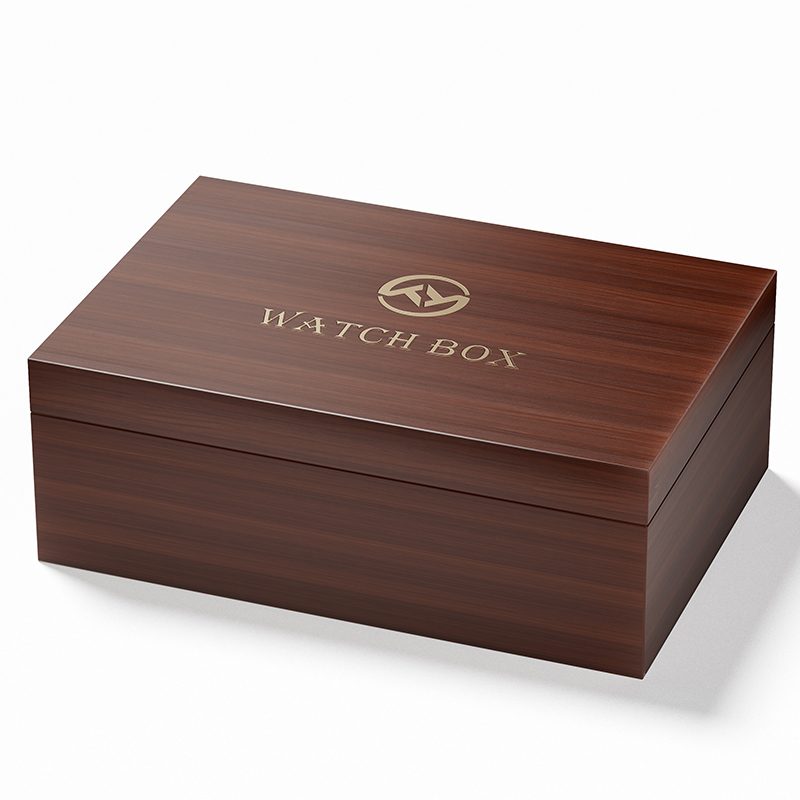
Laser Engraving on Wooden and Leather Boxes: Depth, Artwork and What It Cannot Do
Engraving adds no ink, no foil and no plate — it takes material away. That is why it suits wood and leather, and why the grain decides how fine the result can be.
Read More →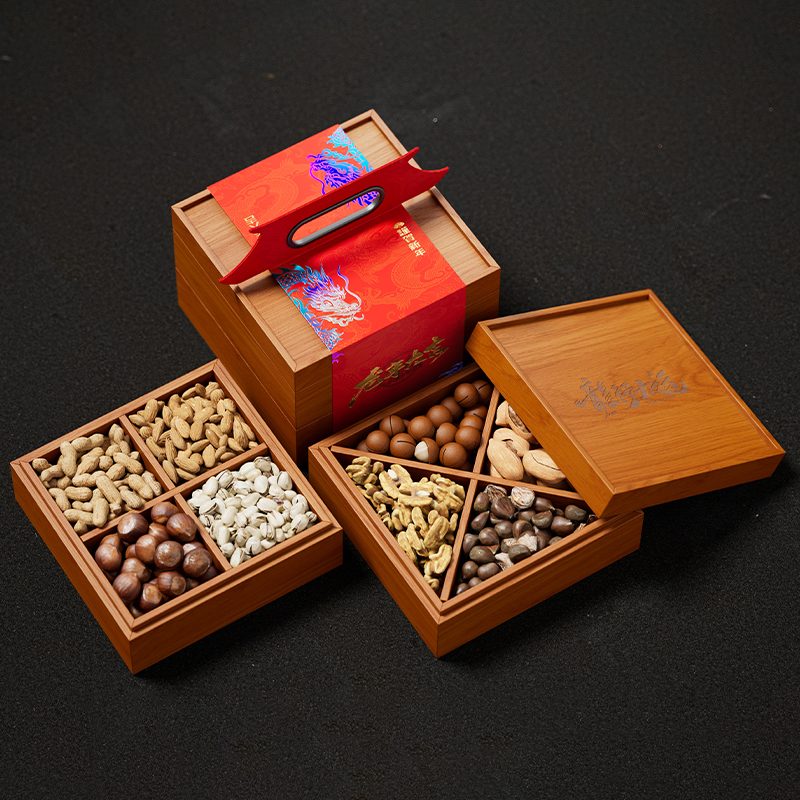
Limited-Edition Packaging: Planning a Short Seasonal Run in Wood and Leather
A limited edition is a deadline with a design attached. Fix the run size and the date first; the box, the marking and the finish follow from there.
Read More →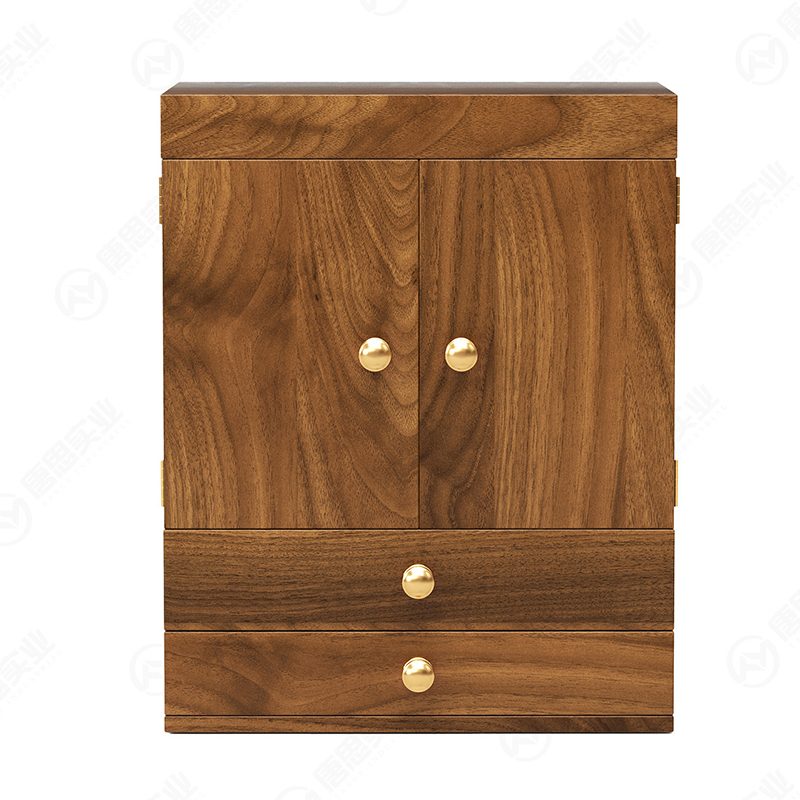
Vanity Cases and Cosmetic Trunks: Designing a Portable Beauty Case in Wood and Leather
A vanity case is furniture that travels. The kit list, the tray stack and the loaded weight decide the design long before the exterior does.
Read More →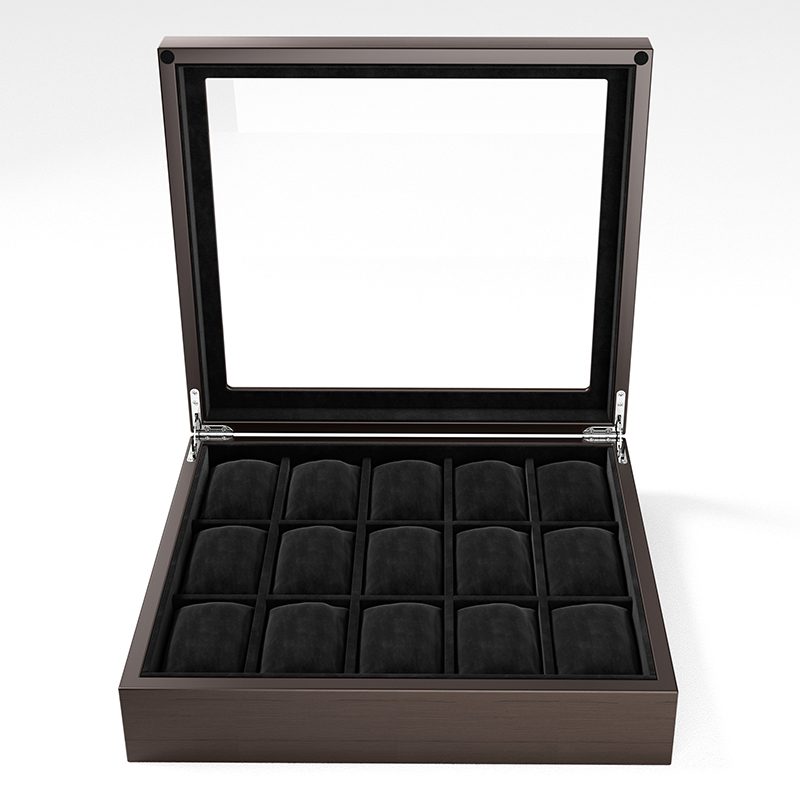
Watch Storage Boxes by Capacity: From a Single Watch to a 48-Piece Collection
Slot count is the one specification you cannot change later. Pick the capacity first, and the format, interior and buying route pick themselves.
Read More →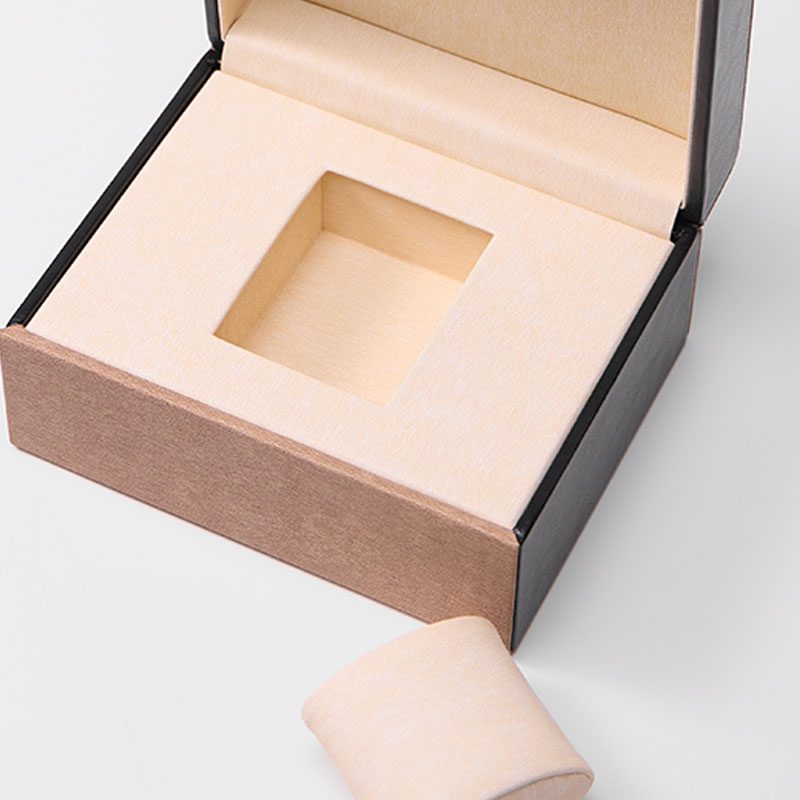
Why Wooden Boxes Warp: Moisture, Drying and How Manufacturers Prevent It
Wood never stops moving. Good manufacturing doesn't fight that — it dries the timber, builds for movement and seals every face, seen and unseen.
Read More →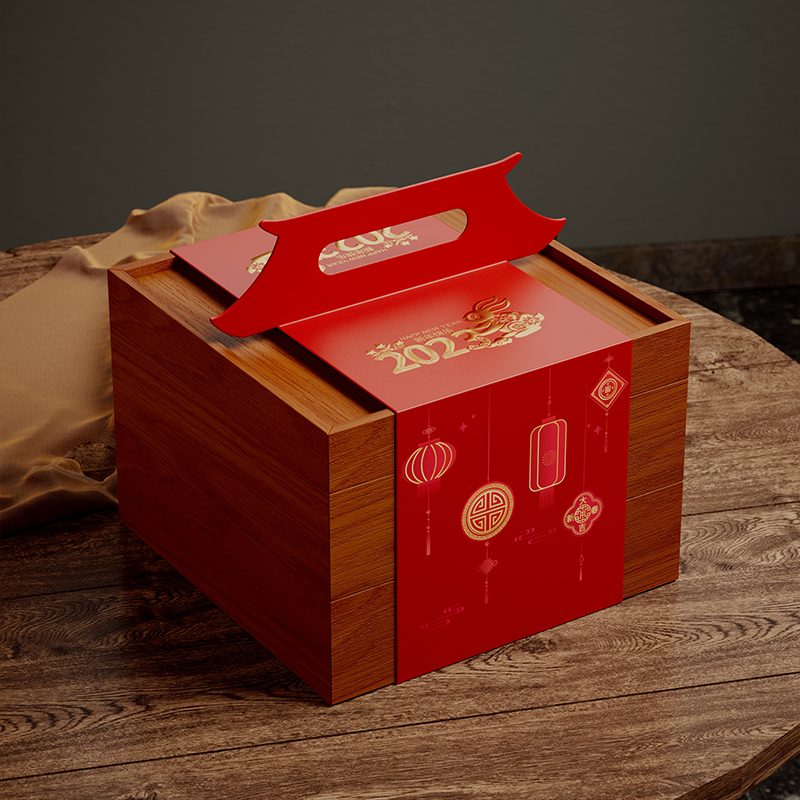
Custom Packaging Lead Times: Planning Sampling, Production and Shipping Around Your Launch Date
Packaging rarely runs late because a factory was slow. It runs late because the calendar was never built backwards. Here is the schedule, block by block.
Read More →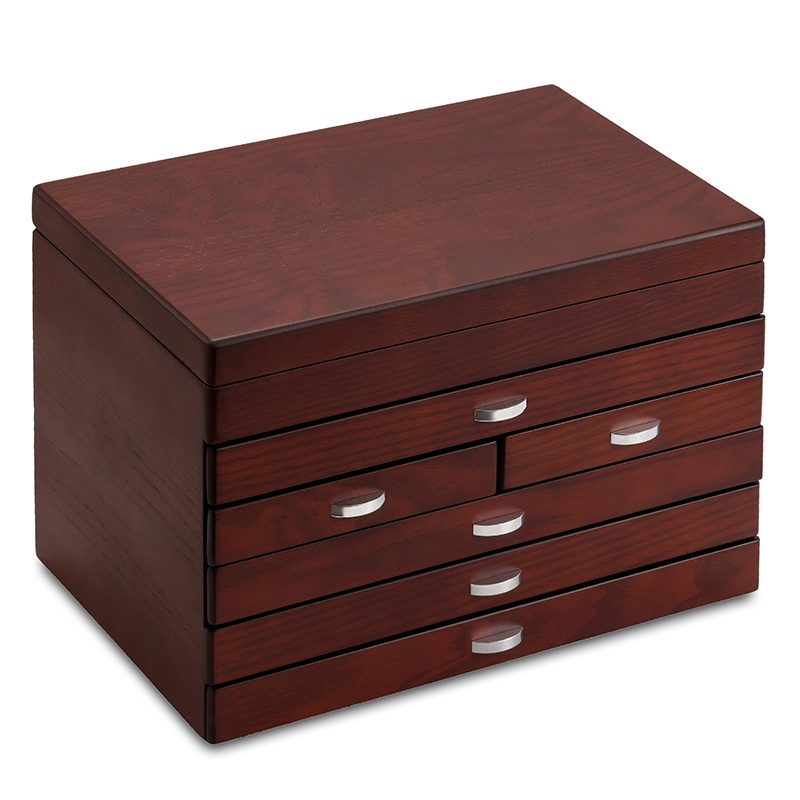
Jewelry Box Materials: Wood, Veneer, Lacquer, Leather and PU Compared
The look a buyer describes is the output. The material is the input — and it decides the interior, the logo method and the freight bill with it.
Read More →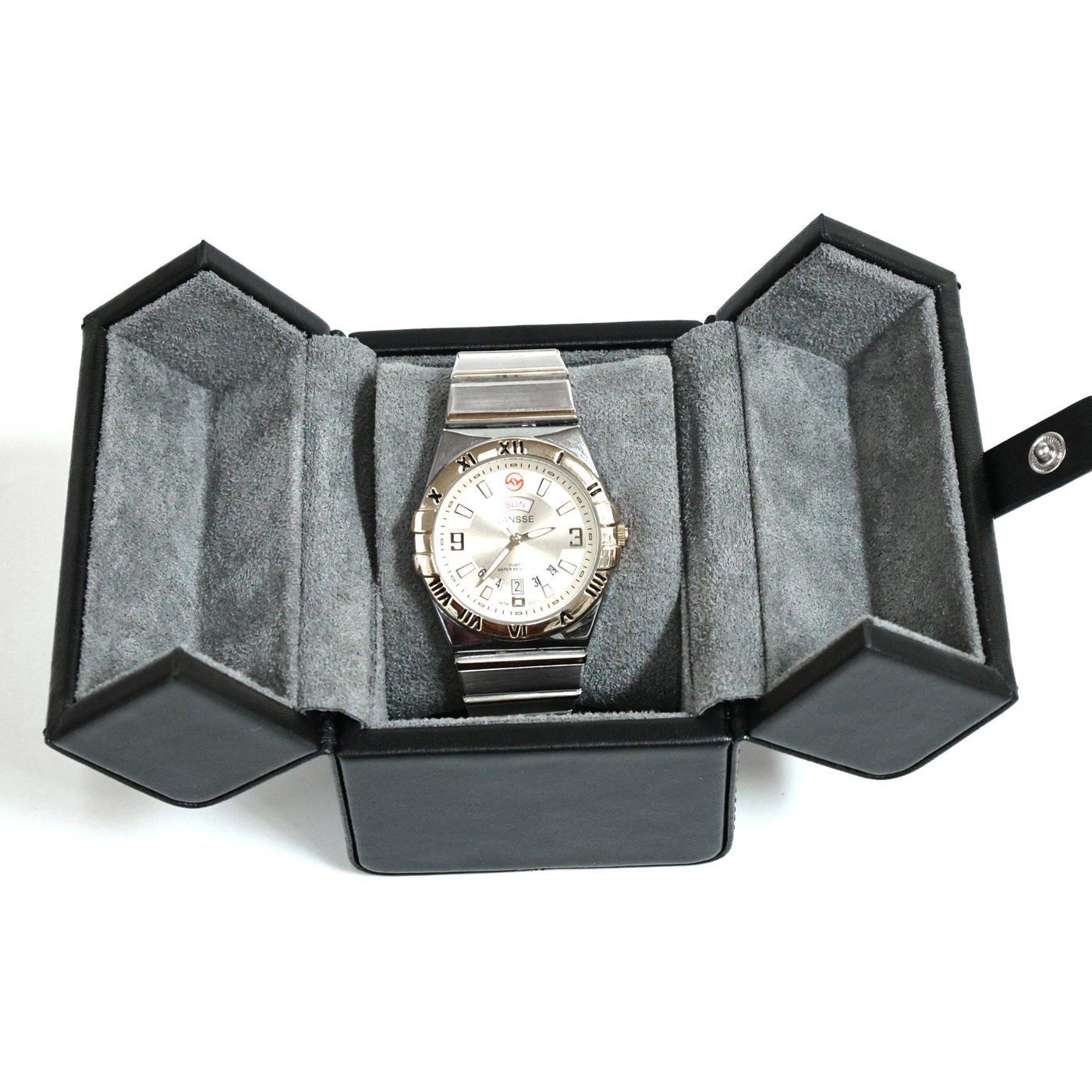
In-Stock Watch Boxes: What Ready-to-Ship Really Means for Small Orders
Ready-to-ship watch boxes are not a lesser product — they are a different agreement. This is what stock buys you, and what it does not.
Read More →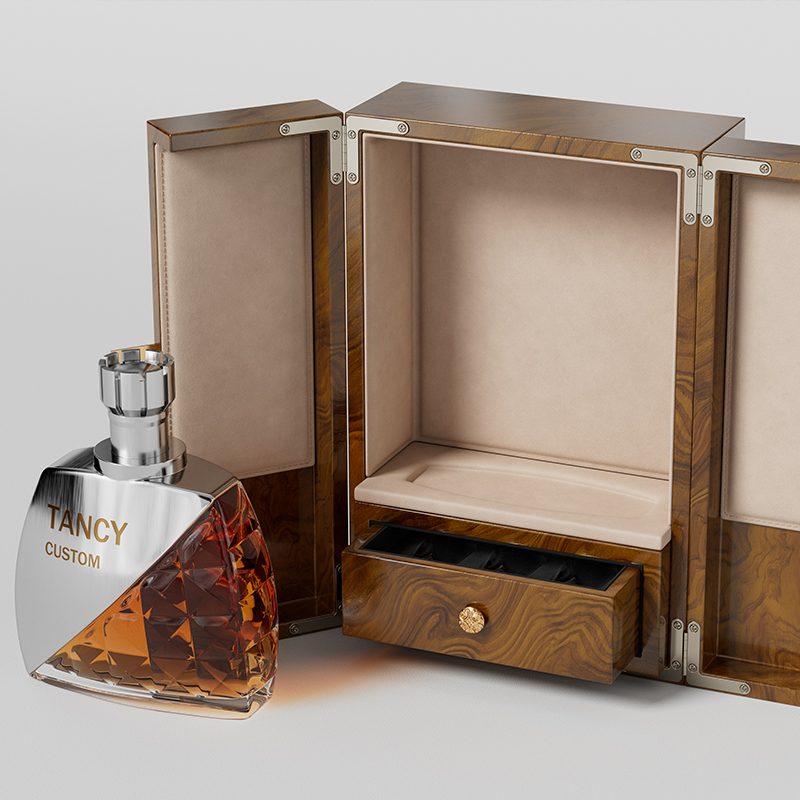
Wooden Cigar Box Design: Sealing, Linings and Formats That Protect a Cigar
A cigar box has to protect a handmade product, hold an environment and still read as a gift. These are the design decisions that decide whether it does.
Read More →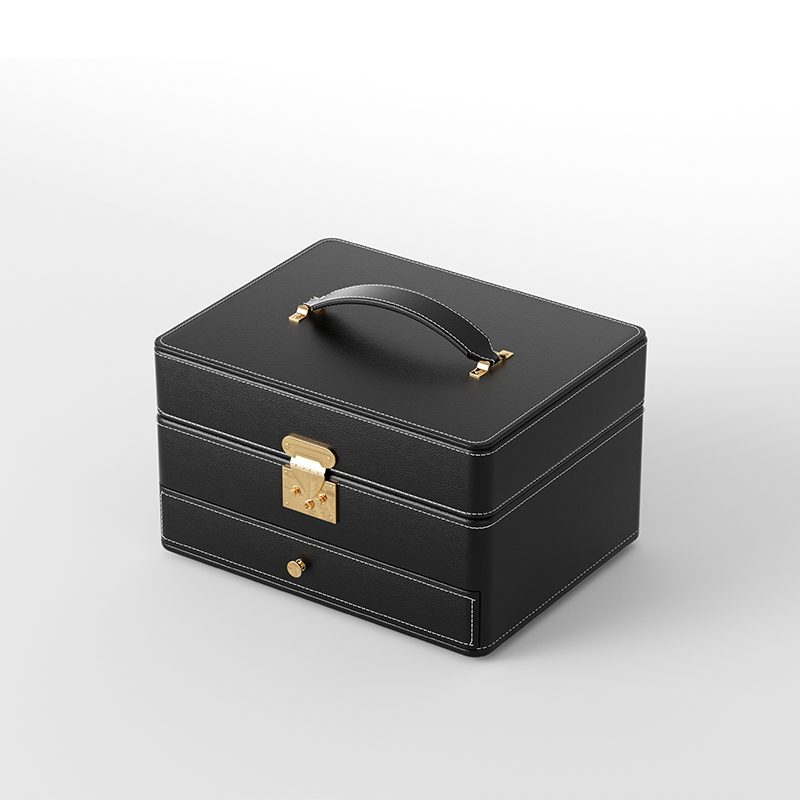
Travel Jewelry Cases: Choosing a Wood, Leather or PU Format for Rings, Necklaces and Sets
A jewelry box for a counter and one for a suitcase solve different problems. The difference is not size — it is what happens to the contents while the box is being carried.
Read More →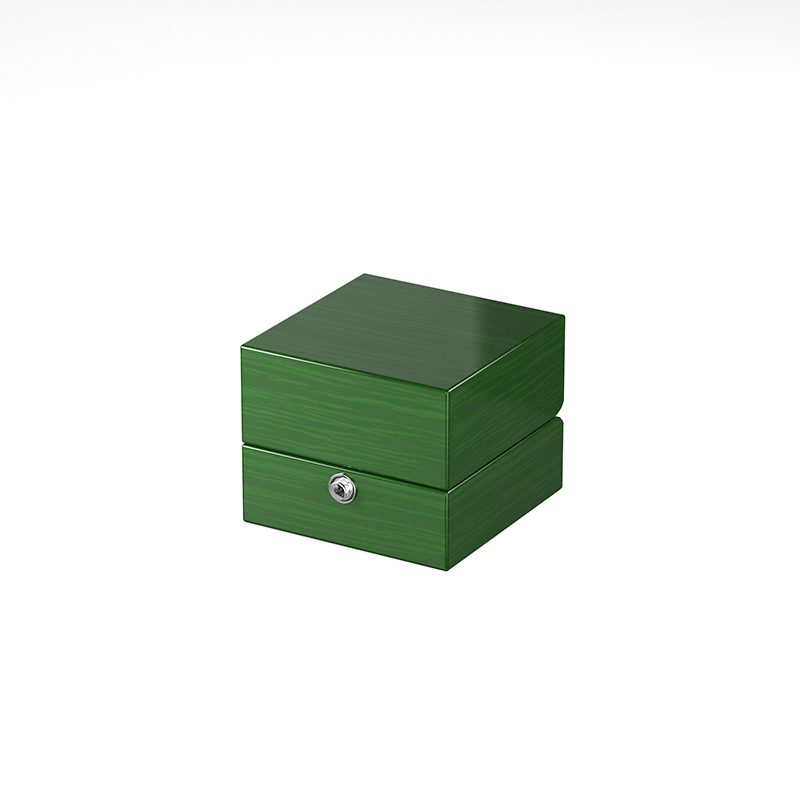
Repeat Packaging Orders: Keeping Colour, Finish and Tooling Consistent Run to Run
The first order is approved against a sample. The tenth is approved against a memory — unless something physical is on file to compare against.
Read More →Watch Box Care and Maintenance: Wood, Lacquer, Leather and Fittings
Each part of a watch box ages on its own schedule: the wood takes humidity, the lacquer takes dust, the leather takes heat, the hinges take cycles.
Read More →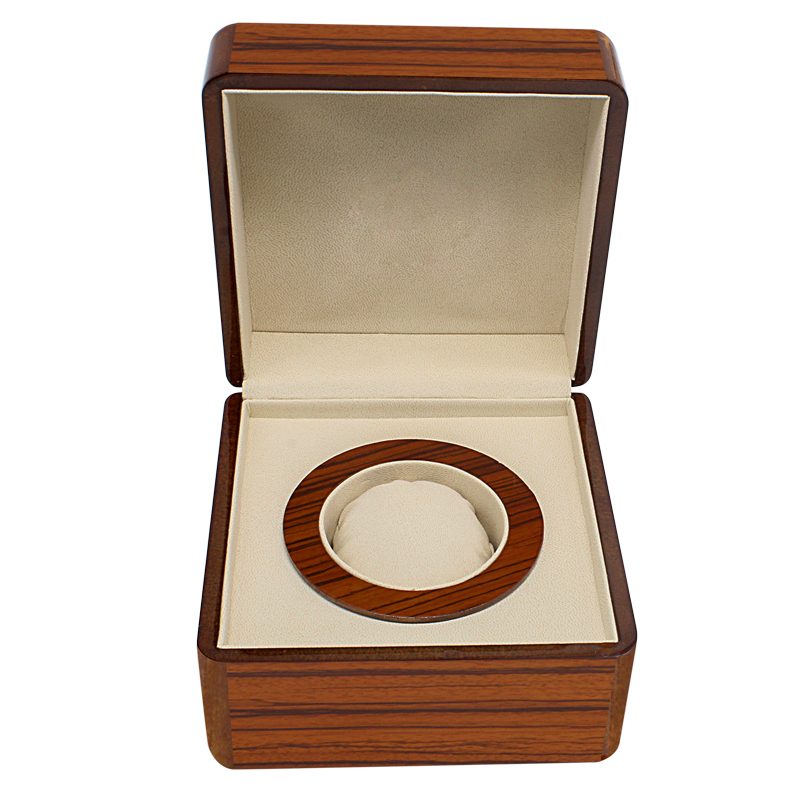
Wooden Box Joinery: Mitre, Finger, Dovetail and Rabbet Joints Compared
The corners are where a box is made or revealed: two boxes in the same wood and the same price can age completely differently, and the difference is the joint.
Read More →OEM vs ODM Packaging: Which Route Fits Your Programme
Two letters decide how a project starts: whether you choose from structures that exist, or whether the structure gets designed around your idea.
Read More →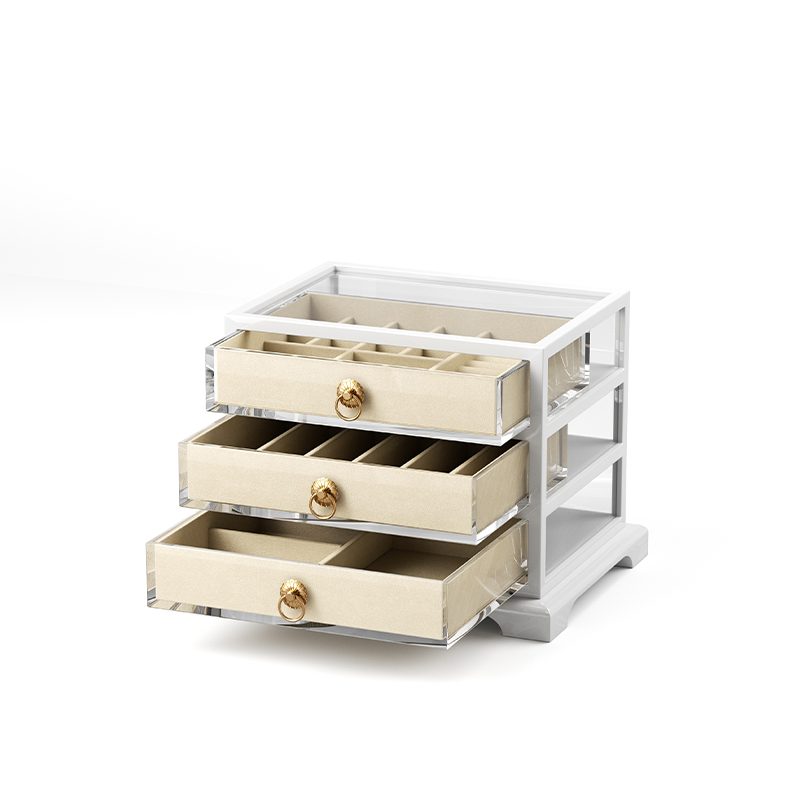
Jewelry Boxes by Product Type: Rings, Necklaces, Earrings and Sets
Treating the four product types as variations of one box is why so much jewellery packaging looks right in a catalogue and wrong on a counter.
Read More →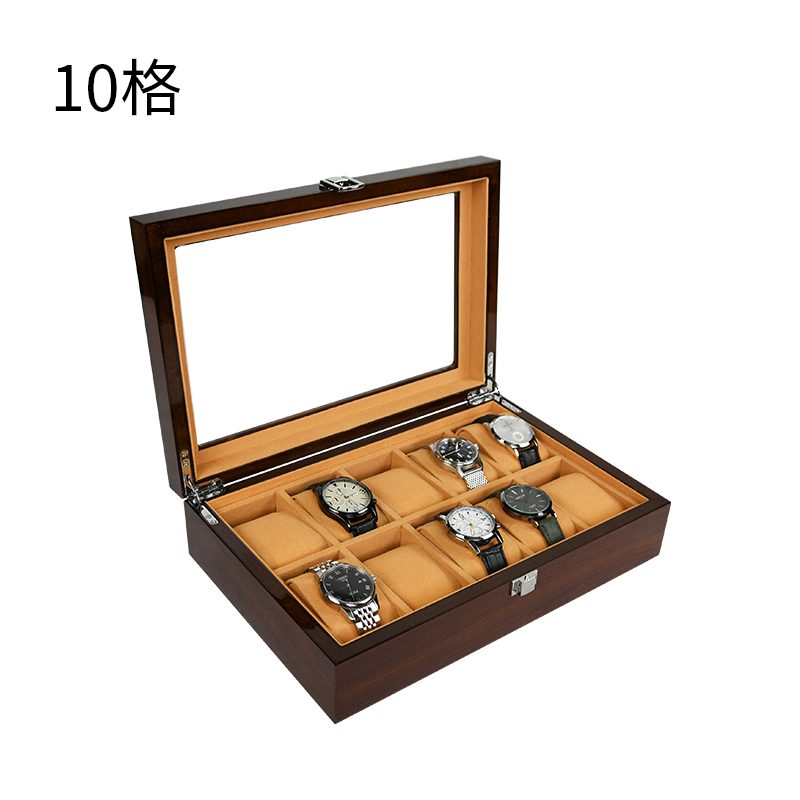
Watch Box Sizing: Slot Pitch, Cuff Clearance and Case Diameter
Slot count is the number buyers remember and the one that causes the most rework. What decides whether the watches actually fit is three measurements underneath it.
Read More →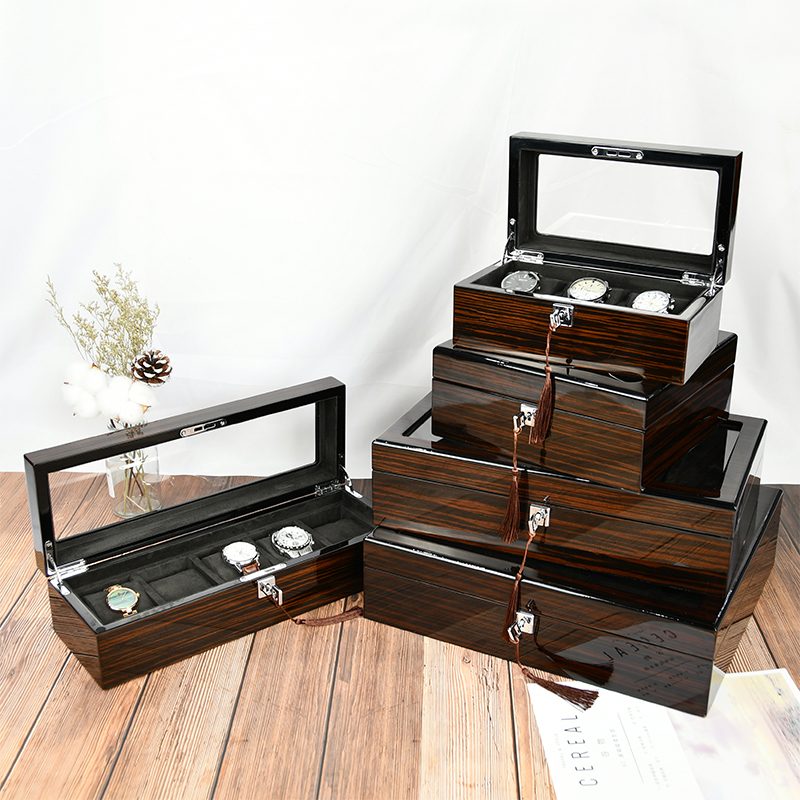
Solid Wood vs Veneer: Choosing the Right Body for a Rigid Box
Asking for a wooden box does not say what the box is made of. The two bodies look similar in a photograph and behave very differently once they start moving.
Read More →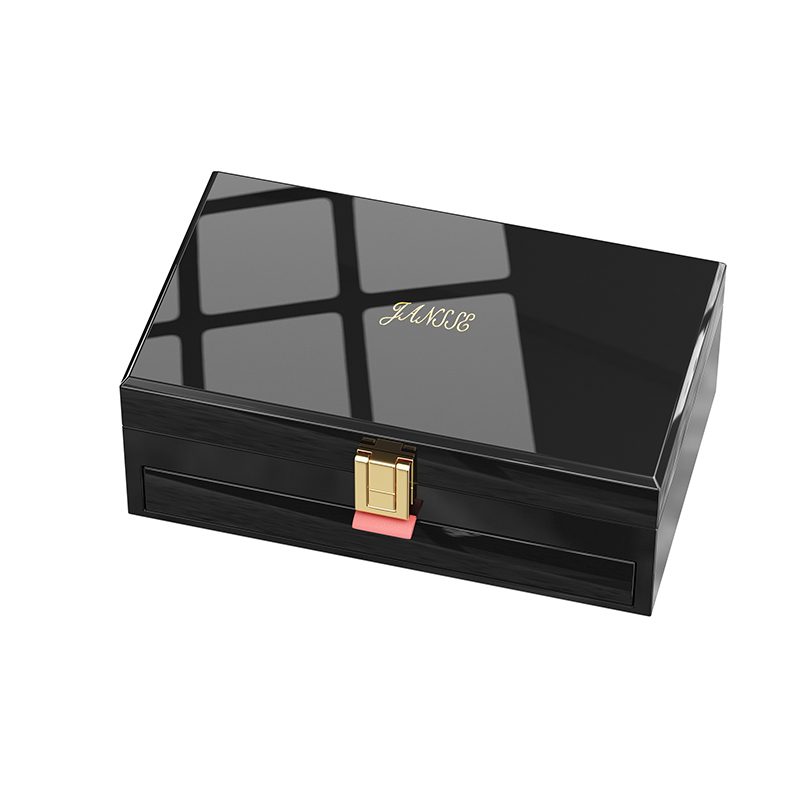
Bulk Packaging QC: How to Inspect a Wooden or Leather Order Before It Ships
Quality in rigid packaging is a sequence, not a final check. Knowing which surfaces to look at — and when — is the difference between a re-spray and a rejected shipment.
Read More →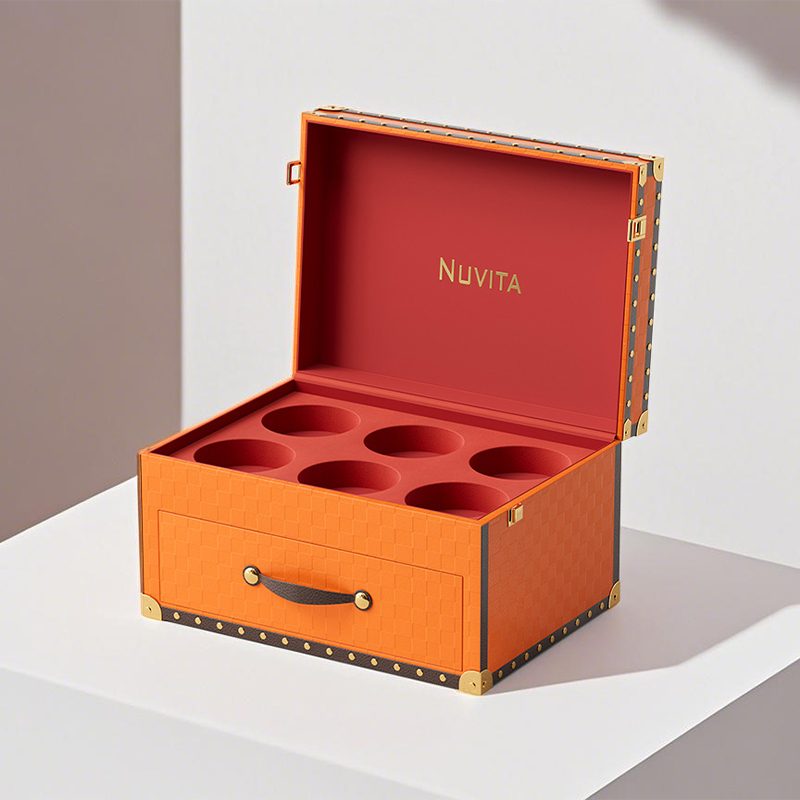
Perfume Box Design: Protecting Glass Bottles in Wooden and Leather Cases
A perfume box has one job that outweighs every other: hand a glass bottle to someone intact. Everything else only works if that is true.
Read More →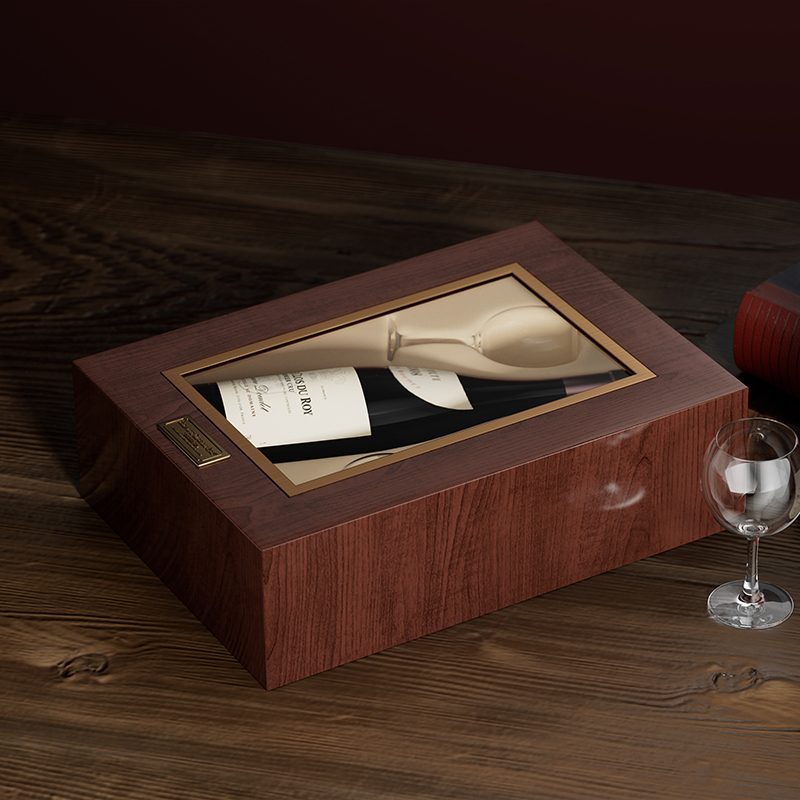
Wine Boxes: Choosing a Structure for One, Two or Six Bottles
A wine box is a structural problem before it is a styling one. Bottle count, bottle shape, opening direction and transit distance decide the box long before veneer or foil does.
Read More →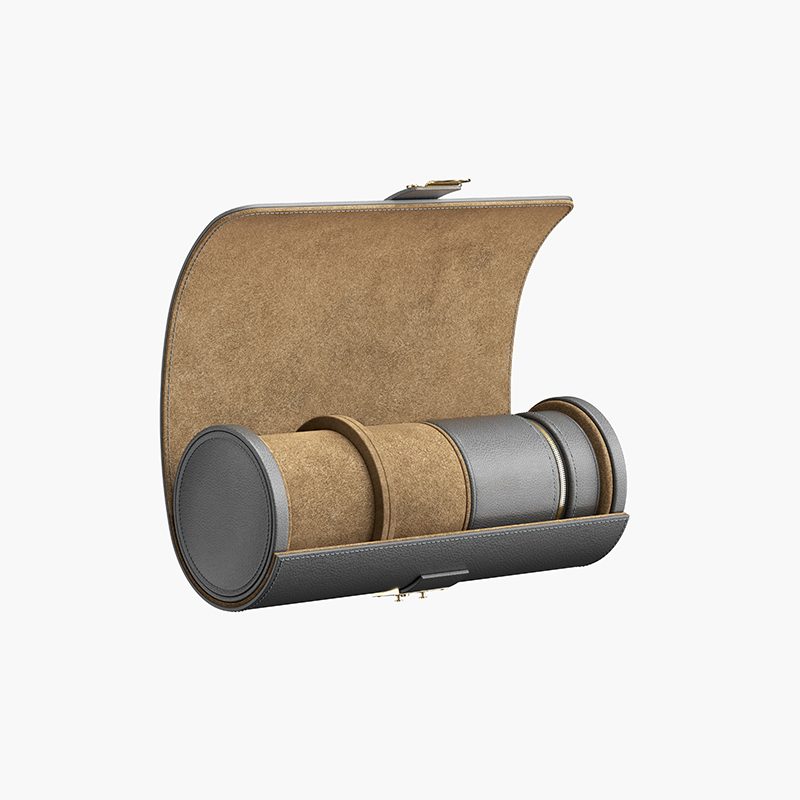
Watch Travel Rolls and Cases: Choosing a Leather Format for 2 to 10 Watches
A travel format has the opposite job to a display box: it gets closed, packed and carried, and it has to hand the watch back in the condition it left. That difference drives every specification below.
Read More →How to Write a Packaging Specification Sheet Buyers Get Quoted From
Most revision rounds are caused by the brief, not the factory. Here is the one-page specification sheet that gets an accurate quote — and a sample you can approve on sight.
Read More →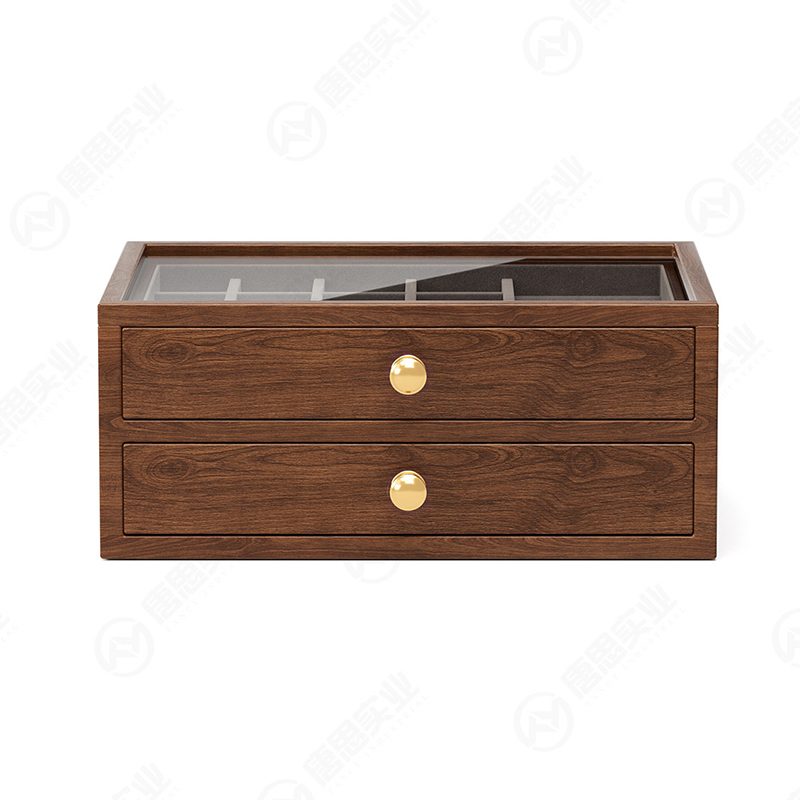
Planning a Jewelry Box Layout: Tiers, Drawers and Compartments
A jewelry box is judged on the shelf and then again when the collection goes in. Here is how to plan tiers, drawers and compartments before the structure is locked.
Read More →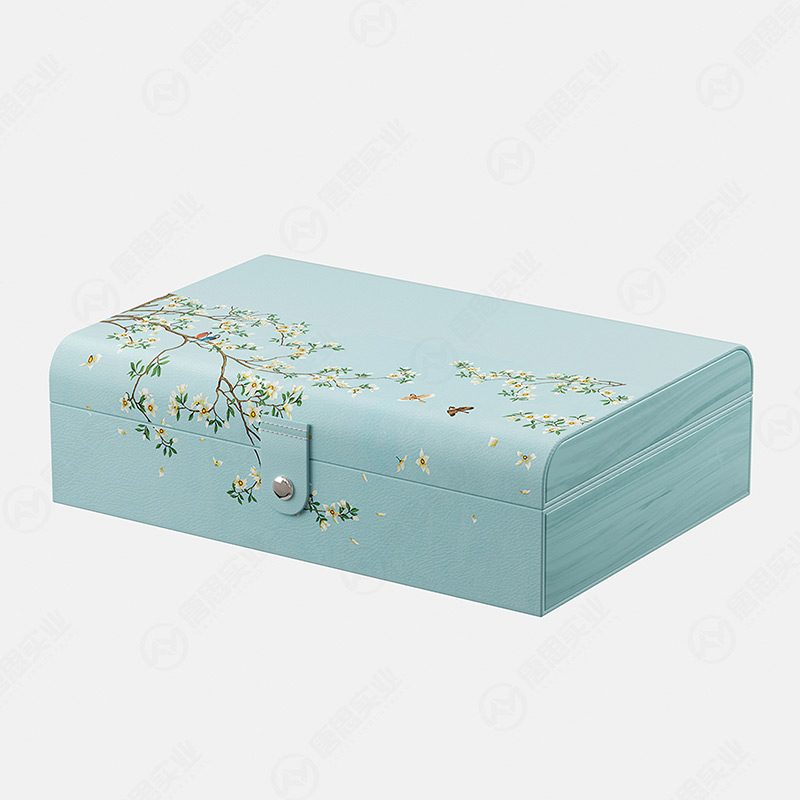
PU vs Genuine Leather: Specifying Leather-Wrapped Packaging Boxes
Leather describes a finish, not a material. Here is how PU and genuine leather differ in production, where a wrapped box succeeds or fails, and what to specify before sampling.
Read More →Walnut, Rosewood, Maple or Ebony: Choosing Wood for a Premium Box
Wood species decides grain, colour and weight before any finish is applied. Here is how the main species differ, and how to match one to your product and its price tier.
Read More →Box Hinges, Locks and Hardware: Choosing Fittings for Wooden and Leather Boxes
Hinges, locks, lid supports and metal finishes decide how a wooden or leather box feels in the hand — and they are the most commonly under-specified part of a packaging brief.
Read More →Cosmetic Gift Sets: Structuring One Box for Several Products
A multi-product beauty set is a structural problem before it is a design one — here is how trays, layers and reveal order are planned in wood and leather.
Read More →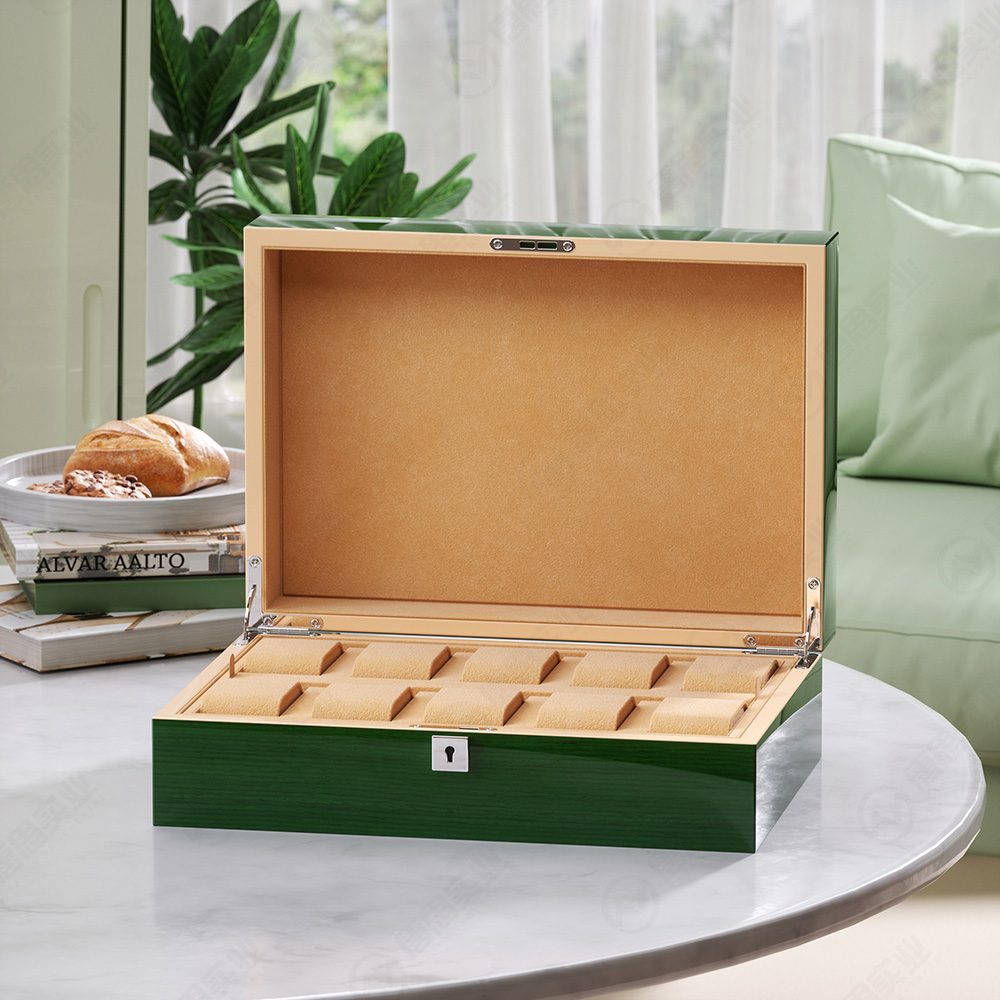
Watch Box Interiors: Pillows, Cushions and Slot Layouts Explained
The interior of a watch box is the part your customer touches every single day. This guide explains pillows, cushions, slot layouts and lining materials — and gives you a checklist to spec them before ordering.
Read More →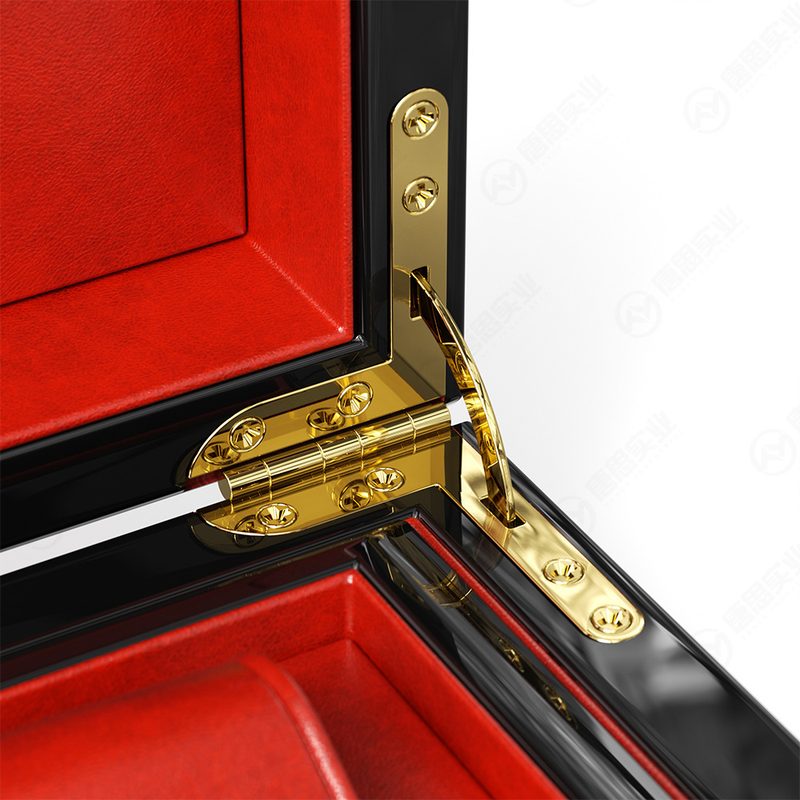
Hot Foil Stamping vs Screen Printing vs Debossing for Box Logos
Three logo techniques, three very different impressions — how hot foil, screen printing and debossing behave on wood, lacquer and leather, and how to choose for your box.
Read More →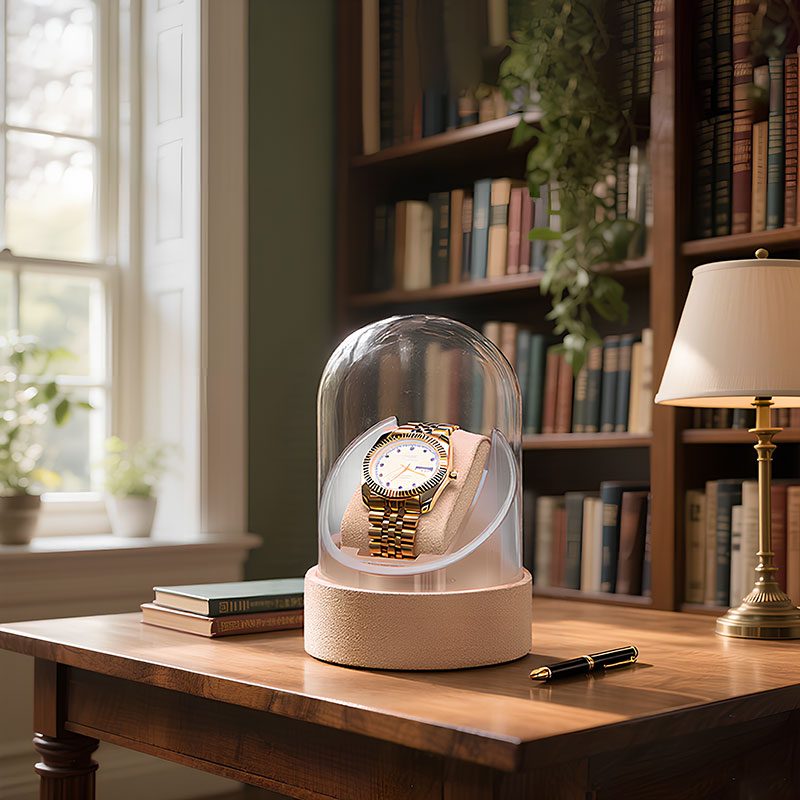
Wood, Leather or Lacquer? Choosing a Watch Box Material
Wood, leather and lacquer each change how a watch box is perceived — here is how the three families differ and how to match one to your brand and use case.
Read More →FOB vs EXW vs DDP for Packaging Buyers: Shipping Terms Explained
EXW, FOB and DDP compared for packaging buyers — what each term includes, why rigid wooden boxes change the freight calculation, and what to confirm before signing.
Read More →Cosmetic Packaging Trends: Sustainable Materials That Still Feel Luxe
Wood, lacquer and leather instead of disposable board — an honest look at what makes cosmetic packaging sustainable, and how to brief a supplier for it.
Read More →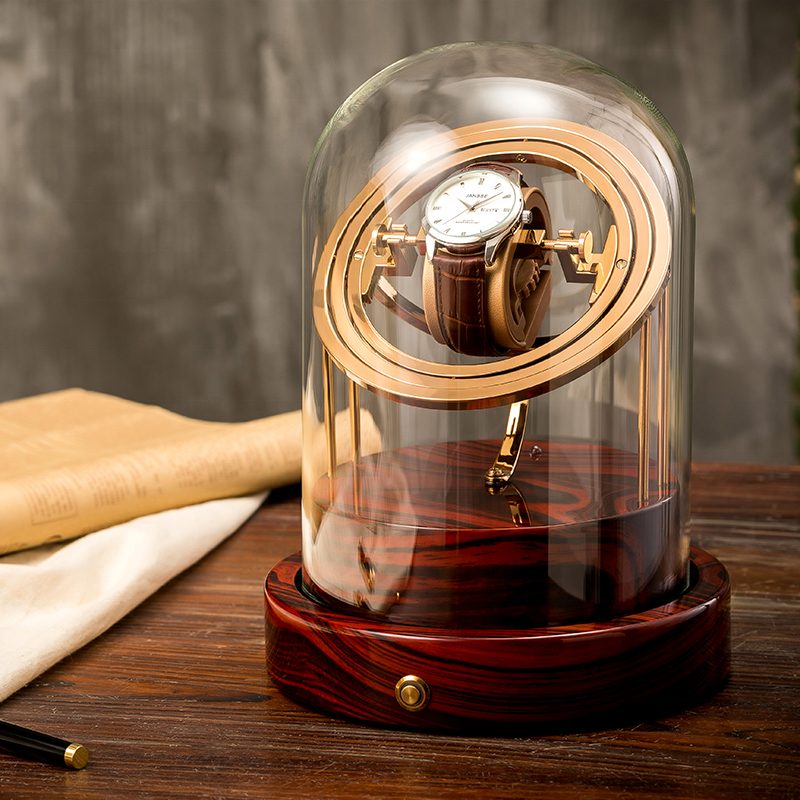
Watch Winder Buying Guide: Motors, Turns per Day and Noise
Turns per day, rotation direction, motor noise and materials explained — plus when to buy stock and when to custom-build.
Read More →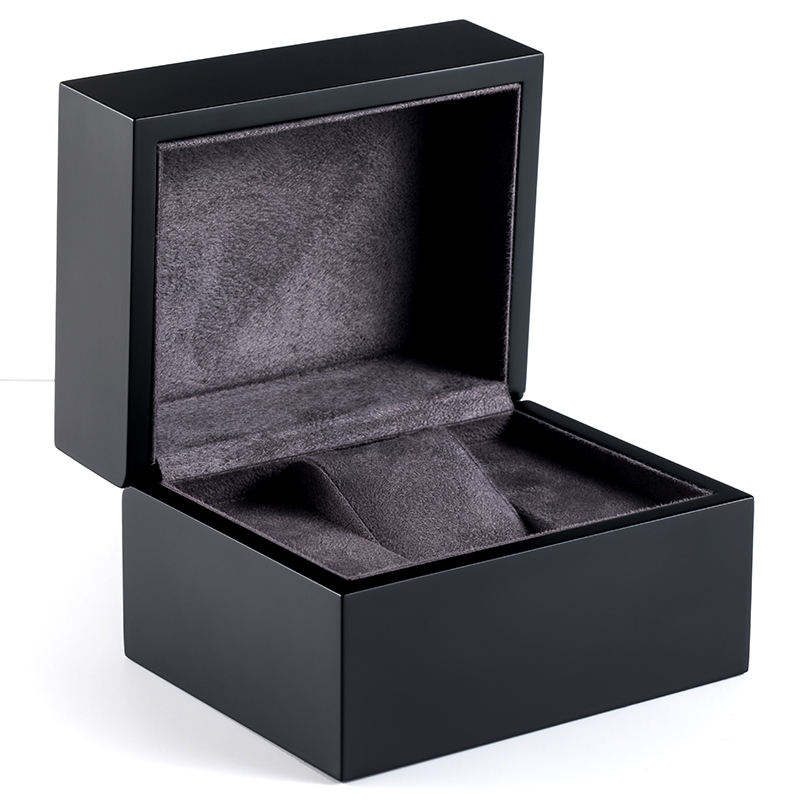
Sampling Custom Packaging: What Happens in the 15 Days
From 3D proof to physical sample to revision rounds — what happens in 15 days, and how to use them well.
Read More →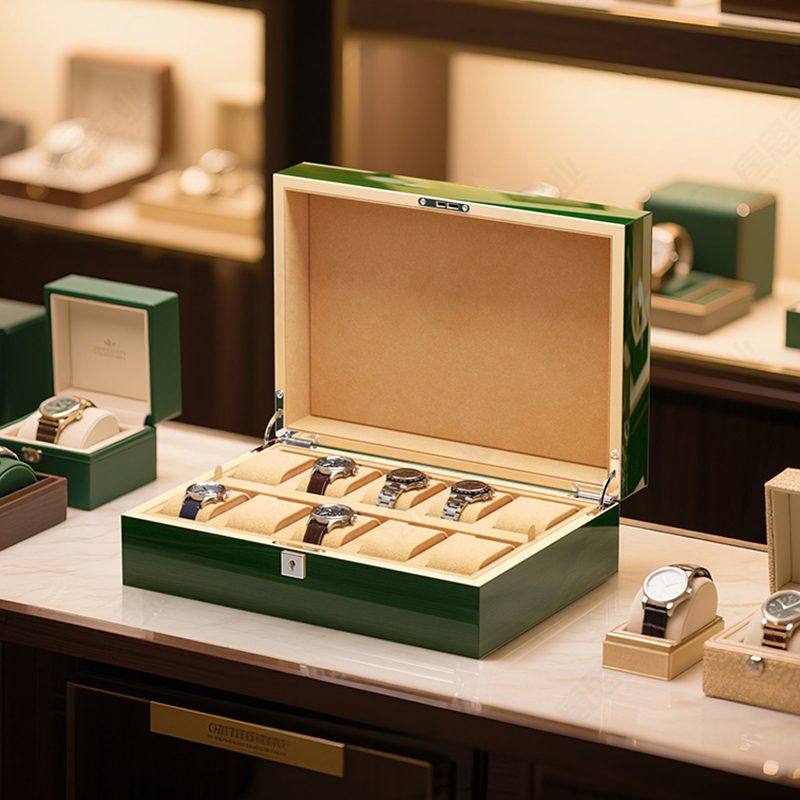
Jewelry Box Inserts 101: Velvet, Suede, EVA and Foam Compared
The insert is the part of a jewelry box your customer actually touches. Choosing between velvet, suede, EVA and foam is a comfort, protection and cost decision — not a colour decision.
Read More →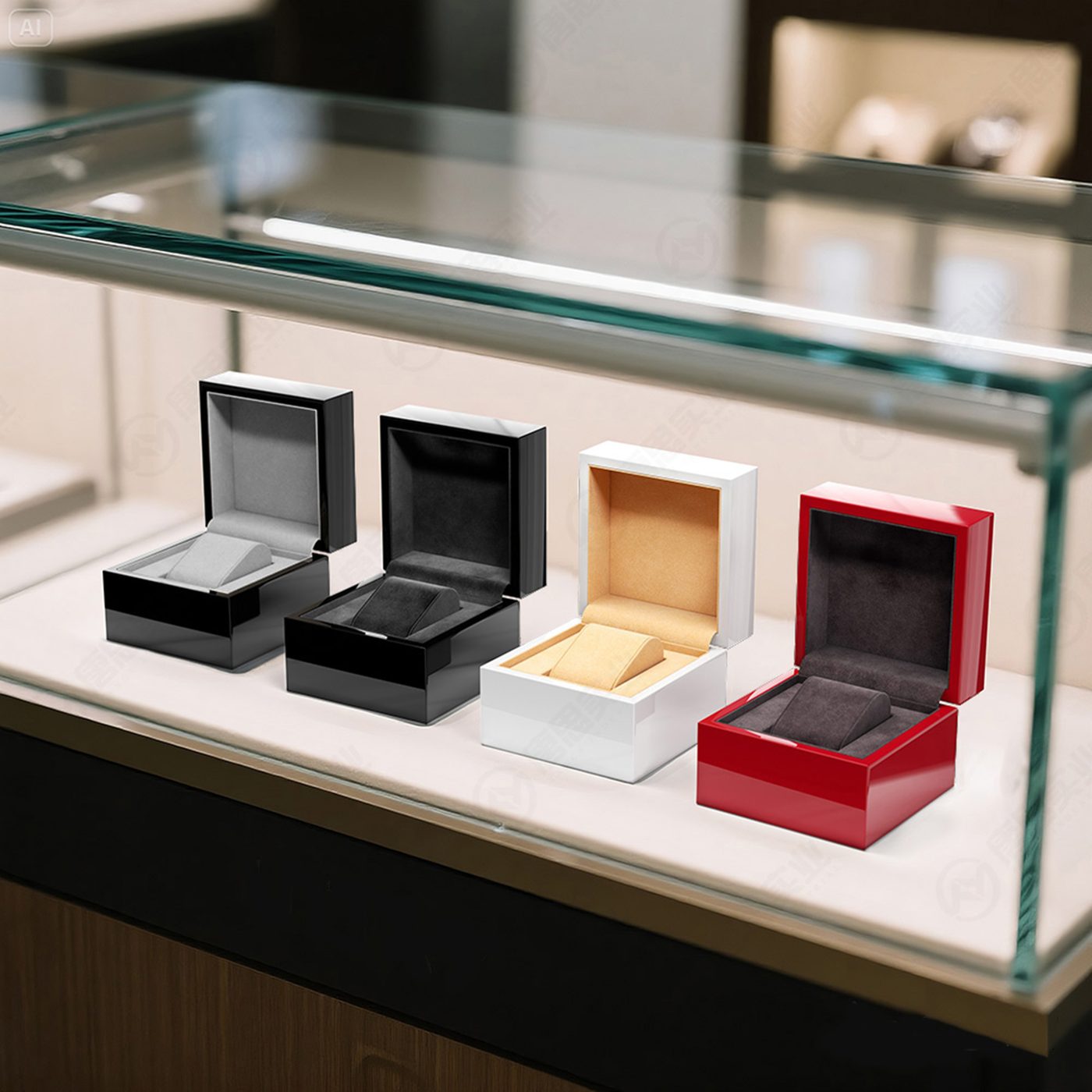
Piano Lacquer Finish: How a Mirror Surface Is Built Layer by Layer
Why a mirror surface is a process, not a product — and how to specify it so it arrives flawless.
Read More →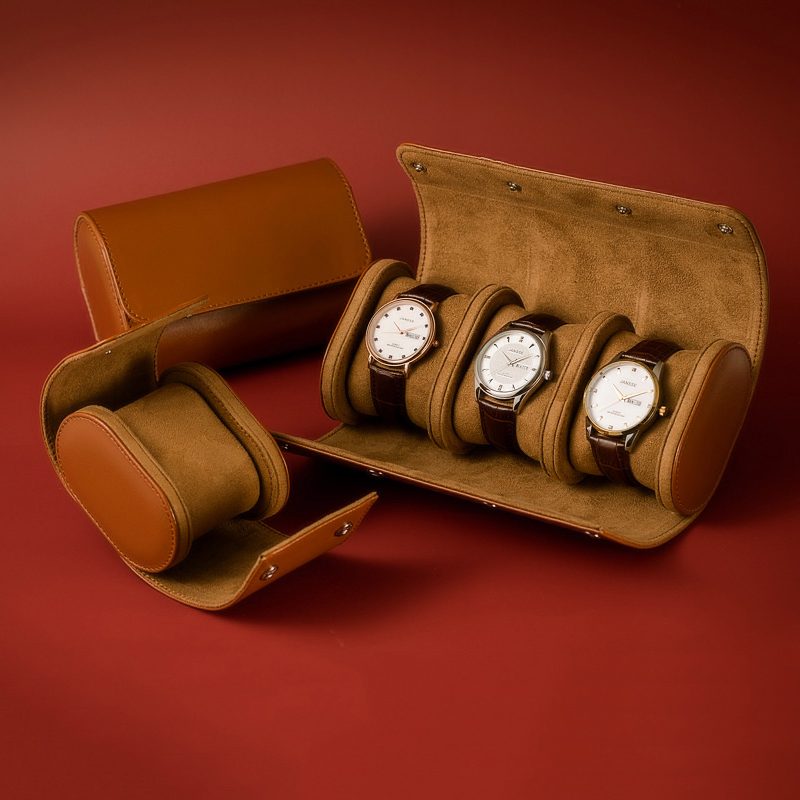
How to Choose a Watch Box Manufacturer: A 9-Point Buyer's Checklist
Factory depth, sampling, MOQ, certifications and QC — what to verify before you place an order.
Read More →Watch Box MOQ Explained: In-Stock from 50 Units vs Custom from 500
Two supply models, two MOQs — and the 3-phase path from market test to branded production.
Read More →
Custom Packaging from Idea to Delivery: The 10-Step Production Process
Every step from cutting to QC — so you always know what stage your order is in.
Read More →
What Drives the Cost of Luxury Packaging? Materials, Craft and Structure
The 5 real cost drivers — and where to save without cutting perceived value.
Read More →
LUXPCK Confirms Participation in Hong Kong Watch & Clock Fair
Meet our international business team at the world's largest watch and timepiece trade event.
Read More →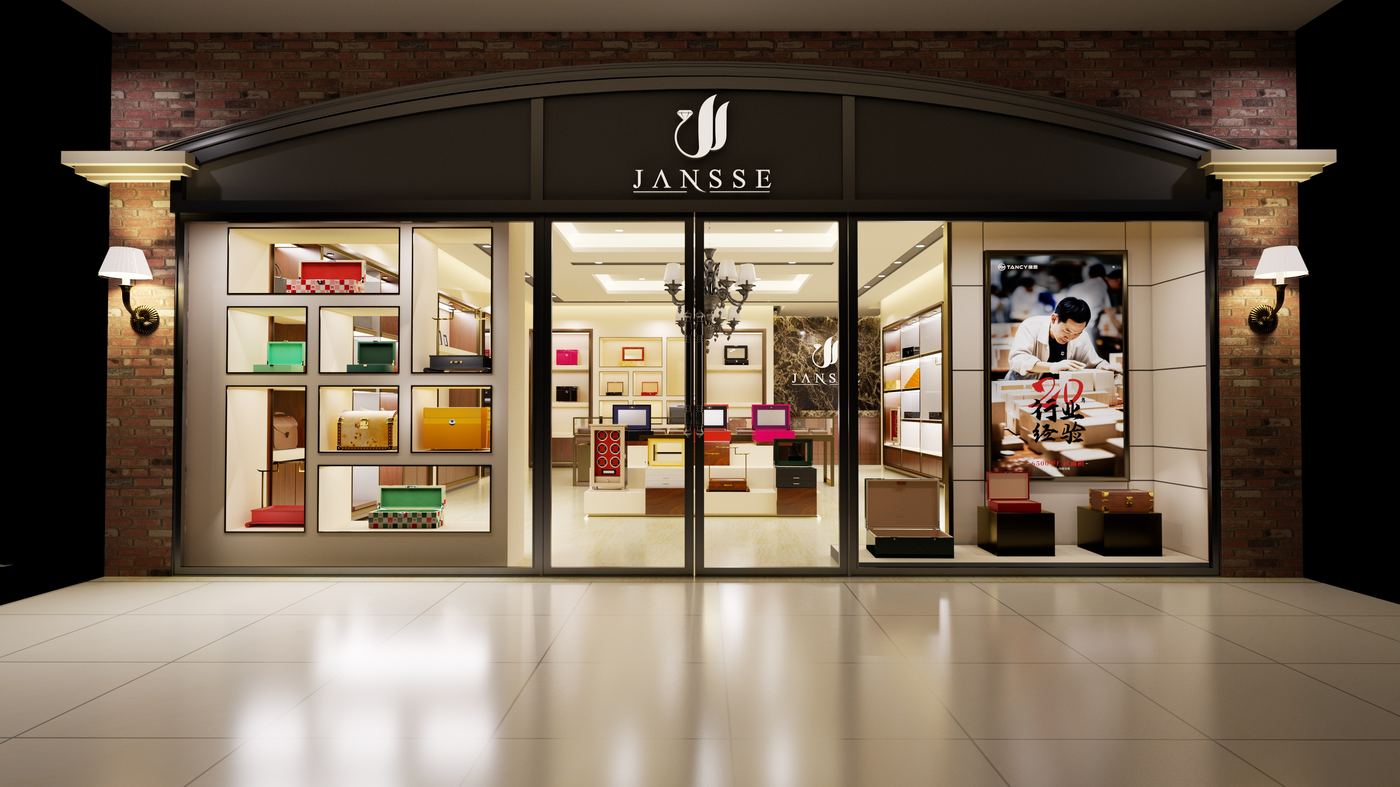
Our New Sample Showroom Is Now Open — Book a Virtual Tour
Thousands of packaging samples across materials, structures and finishes, now viewable online.
Read More →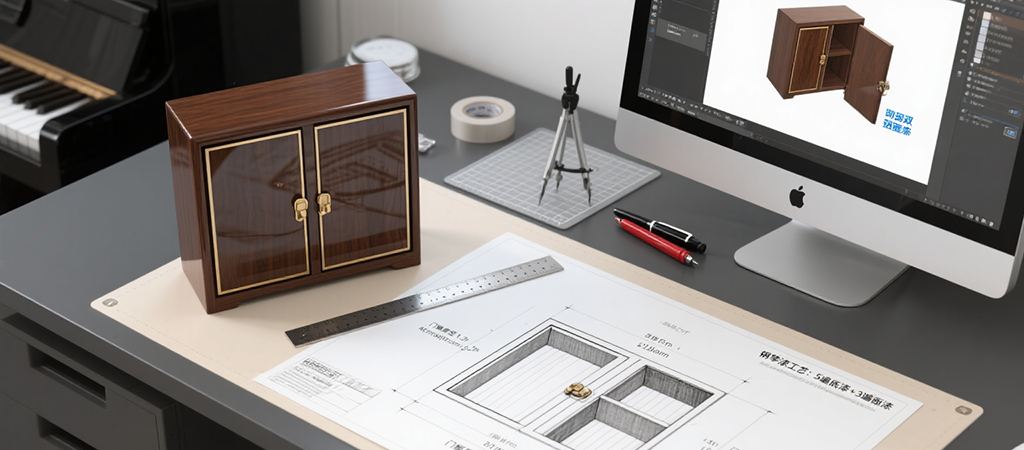
Sustainable Luxury: FSC-Certified Materials Join Our Core Range
Eco-friendly packaging without compromising the premium unboxing experience.
Read More →