Watch Box Care and Maintenance: Wood, Lacquer, Leather and Fittings
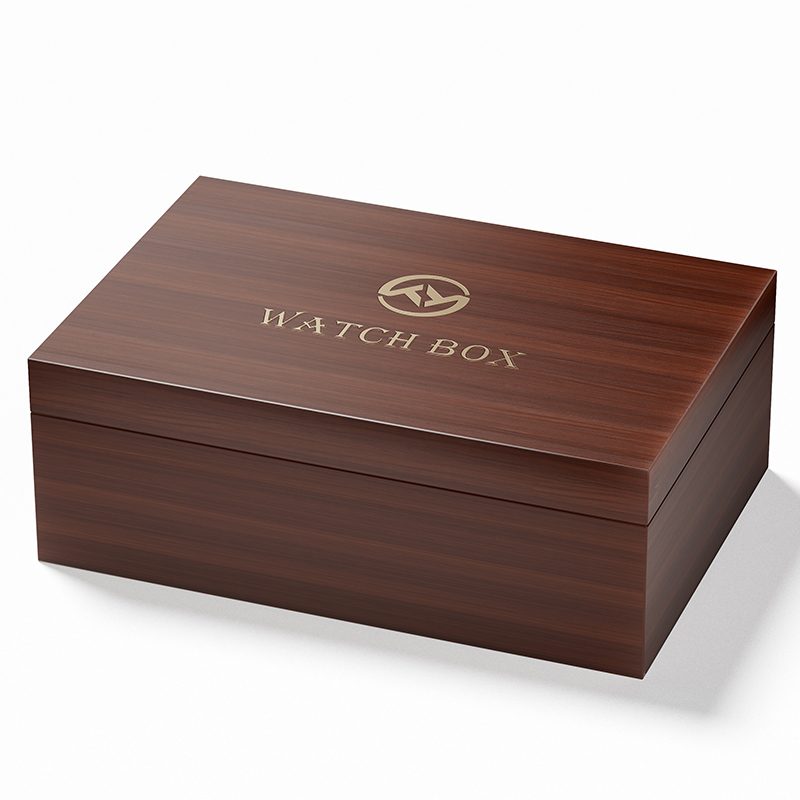
A watch box rarely has an easy life. It is opened and closed several times a day, moved from shelf to counter to window display, dusted, stacked and sometimes shipped again. Yet because it is made the way furniture is made — wood, lacquer, leather, glass, metal fittings — it responds to care the same way the watch inside it does. A maintained box looks like a well-kept object; a neglected one shows its age within a year.
The practical way to think about maintenance is by material, because each part of the box ages on its own schedule. The wood body reacts to humidity and sunlight; the lacquer to dust and abrasives; the leather to heat and friction; the glass to fingerprints; the hinges to cycles. This guide works through each one, then sets out a simple routine that keeps a retail display or a personal collection looking the way it did on the day the box arrived.
Wood bodies: sunlight and dry air are the enemies
Wood moves with moisture. In a humid stockroom it swells slightly; in a dry, heated room it shrinks — and shrinking is the change that shows, as lid gaps, drawers that suddenly sit proud, or corners that open by a fraction. This is not a defect; it is how the material behaves, and it is why a well-made box is assembled with room for that movement.
Sunlight does two kinds of damage at once: UV light greys out lighter and unstained woods, and the heat accelerates drying. A box that sits in a shop window should be shaded or rotated; a box in the home should not live on a radiator shelf or a sunny sill. A stable room, out of direct light, is the kindest thing you can give a wooden box.
Lacquer finishes: gloss shows everything
A piano lacquer finish is a built-up, polished surface — primer, colour coats, controlled curing, then polishing — and its mirror effect only works while the surface is clean. The main daily hazard is dust: wipe a dusty lid with a dry cloth and the dust acts as an abrasive. Dust first with a soft brush or microfibre cloth, then wipe with a barely damp cloth and buff lightly in one direction. Skip alcohol-based cleaners, window sprays and paper towels; all three haze a gloss finish over time.
Fingerprints are the daily reality of retail, and they wipe off with a slightly damp cloth followed by a dry buff. If you are choosing a finish for a display box that will be handled all day rather than looked at, matte and open-grain finishes are far more forgiving — they hide fingerprints, dust and fine scratches that a gloss surface announces.
Leather: heat is what kills it
Leather-wrapped boxes and cases dry out, stiffen and crack when kept hot — near radiators, inside parked cars, under strong display lighting. The care is simple: keep them away from heat, wipe with a barely damp cloth, and let them dry naturally. Anything stronger than that should be tested on a hidden area first, because colour transfer from an aggressive cleaner is permanent. On PU wraps, use conditioning products sparingly if at all — the surface is a coating, and heavy products can leave a residue rather than feed the material.
The parts that fail first are the edges and the stitching, because that is where the material flexes. A zippered travel case should be closed by the pull, not forced shut against the watches inside. Catch frayed stitching early: a seam opening at an edge is a repair, a torn panel usually is not.
Glass lids and acrylic windows
Glass tops collect dust on the outside and skin oil on the inside. Clean the outside with glass cleaner sprayed onto the cloth — never onto the box — and the inside with a dry microfibre cloth only. The inside of a glass lid sits millimetres above the lining, and overspray settles on velvet and suede, where it stains permanently.
Acrylic windows are lighter and more shatter-resistant than glass, but they scratch more easily, so they take the same rule as lacquer: dust or rinse the grit off first, then wipe. Nothing coarse should ever touch an acrylic panel.
Hinges, locks and fittings
Fittings age with cycles, not with time. A slow-close hinge that felt damped on day one and feels loose after a few months is telling you something about the number of openings, not the age of the box — a display piece that is opened fifty times a day is a different case from a personal box opened twice.
Practical care is light: keep hinge barrels and lock mechanisms free of dust, and use a drop of light machine oil sparingly if a hinge starts to speak. Two things should not wait for maintenance, because they are quality issues rather than wear: a hinge that was slack on arrival, and a lock that catches. Both should be raised at inspection — every unit passes check before it is packed, and problems found before shipment are the factory's to fix.
Interiors: pillows, velvet and suede
The lining is the part of the box that works hardest, and it is the part nobody cleans. Velvet and suede pick up dust and skin oil; a soft brush in one direction lifts most of it. Pressed or flattened pillows recover some shape with gentle re-fluffing, but a pillow that has lost its fill has lost it — which is why spare pillows are worth specifying when the order is placed, not hunting for afterwards.
In humid climates, linings can hold moisture with the watches on top of them. Air an interior now and then: open the box, take the watches out, leave it open for an hour in a dry room. It costs nothing and it is the single thing that most extends the life of both the lining and the strap material sitting against it.
Storage, stock rooms and transit
Where a box lives decides most of what happens to it. Retail back rooms run hot and dry; window displays run bright; stock warehouses run cold in winter. Boxes held before sale should stay in their export cartons, stacked flat, away from sunlight and heat sources — the five-layer export carton they ship in is protection in transit and also, honestly, the best storage they will ever get.
If a box is being shipped on to an end customer — a sold display piece, a gift — it should go back into that carton, not into a courier bag. Wood, lacquer and glass do not survive a loose journey in a van without the box they were packed in.
A routine that fits on one card
| When | Do this |
|---|---|
| Weekly | Dust with a soft brush or microfibre cloth, inside and out; check the glass |
| Monthly | Wipe lacquer and leather with a barely damp cloth; buff dry; open the box empty for an hour |
| Seasonally | Move boxes away from radiators and window sun; check hinges, locks and stitching |
| Before resale or gifting | Re-fit the original export carton; replace flattened pillows with spares |
What to decide at the order stage
Half of maintenance is chosen before the box exists. A handled retail display argues for matte or open-grain finishes and a lining that hides handling; a presentation piece that sits closed argues for gloss. Where pillows and inserts will be worked hard, order spares with the first production run. Where a box will be opened all day, ask for the hinge and lock specification to be rated for it.
Custom programmes start at 500 pcs per design, with sampling in about 15 days including 3D digital proofing and two rounds of revision, and production in about 30 days after sample confirmation. Ready-to-ship watch boxes from the in-stock range start at 50 units per design — a practical way to fit out a counter while a custom programme is in sampling. Every box is assembled by hands that have done this for years: cutting and surface work are machine-precise, while leather corners, grain alignment and slow-close hinges are finished by people, most of whom have been building these boxes for over a decade.
See custom watch boxes for programme options, in-stock watch boxes for ready-to-ship designs, custom leather boxes for wrapped formats, and contact us to discuss a specification — enquiries are answered within 24 hours.
Dust first with a soft brush or microfibre cloth — wiping a dusty lid dry drags the dust across the finish. Then wipe with a barely damp cloth and buff lightly in one direction. Avoid alcohol-based cleaners, window sprays and paper towels; over time they haze a gloss finish.
Keep it away from heat — radiators, parked cars, strong display lighting — wipe with a barely damp cloth and let it dry naturally. Test any conditioning product on a hidden area first, and on PU wraps use it sparingly, since the surface is a coating. Catch frayed stitching early; a seam at an edge is repairable, a torn panel usually is not.
Watch pillows and removable cushions are the practical thing to replace, and spare pillows are worth specifying when the order is placed rather than sourcing afterwards. Re-doing a glued lining is closer to re-upholstery than maintenance, so if a box will be handled daily, it is better to choose a hard-wearing lining at the sampling stage.
Yes. Wood shrinks in dry, heated conditions and swells in humid ones, so a lid gap or a corner opening fractionally with the season is the material moving, not a defect. A hinge that was slack on arrival or a joint that opens on a new box is a quality issue, though — that should be raised at inspection, before shipment.