Limited-Edition Packaging: Planning a Short Seasonal Run in Wood and Leather
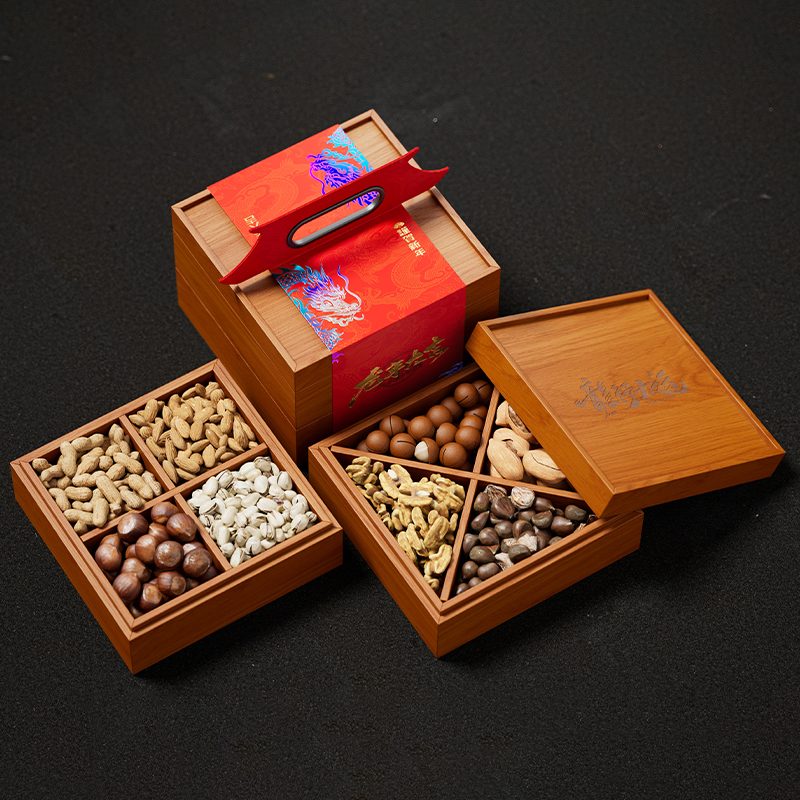
Every limited edition is a deadline wearing a design. The date is set by a festival, an anniversary, a product launch or a retail calendar, and it does not move because a factory is busy. That single fact changes the brief: a standard packaging programme is optimised for unit cost across years of reorders, while a limited run is optimised for certainty — the right quantity, in the right finish, on the ship date, with no second chance to correct it.
This guide is about planning short runs of wooden and leather boxes: how the edition size decides the route, how to build the calendar backwards from a fixed date, which tooling is worth carrying into next year's edition, and how to make a box read as an edition without making it impossible to repeat.
Why a limited run is a different brief
A catalogue box has to be good for years. A limited edition box has to be perfect for one season — and consistent within itself. Those are different quality targets. On a long programme, small variations between production runs are absorbed because nobody sees two runs side by side. In an edition, every unit is displayed next to its twin: the same shop shelf, the same campaign photograph, the same unboxing video.
So the priorities invert. Date certainty comes first, internal consistency second, unit efficiency third. A design that saves one assembly step but adds a week of risk is a bad trade on a 500-piece edition with a fixed launch date.
It also helps to remember what the box is doing. Packaging is never just a box — it is the first thing a customer touches and the last thing they remember. On a limited run that sentence becomes literal: the box is often the only physical evidence that the edition was limited at all.
Run size decides the route
Custom wooden and leather boxes start at 500 pieces per design, and most limited editions land close to that number. When the planned edition is below it, there are three honest options, and each one trades something different.
| Option | What it means | When it fits |
|---|---|---|
| Build to the minimum | Produce 500 pieces and hold the balance as buffer or sell it through | The box is central to the offer and the edition is expected to sell out |
| Fewer boxes, more variants | One shell carries the whole range; variants live in colour, insert or marking | A wide product line with a modest total volume |
| Use a ready format | The Tancy in-stock watch range covers 100+ styles from 50 pieces | Watch editions where a proven format already carries the look you need |
Whichever route you take, order a buffer. On a 500-piece run, transit damage, samples kept by sales, replacements for retail and photography stock all come out of the same production. Planning exactly to the sellable quantity is how editions run short in the one week they matter.
Design to the date, not to the shelf
Three blocks sit between approval and a box in your warehouse: sampling at about 15 days, production at about 30 days after sample approval, and freight. Freight can only be booked once the goods are packed and measured, so the calendar has to be built backwards from the in-store date rather than forwards from the purchase order. The full sequence — including the week most projects quietly lose to artwork approvals — is set out in our custom packaging lead time guide.
The two slips that hurt most on a limited run are both approvals rather than manufacturing: a lining colour signed off late, and artwork that changes after the sample. Every revision past the second round costs days the calendar does not have. What each sampling round is for, and what to sign off at the end of it, is covered in our packaging sampling guide.
Tooling worth carrying into next year
An edition implies a successor. If the second edition shares the footprint of the first, most of the setup carries over: CNC programs, laser settings, foil and embossing dies, assembly jigs. That is the difference between a second edition that takes weeks and one that takes months.
Design for it deliberately. Keep the body and the lid geometry stable, and put the year-specific content where it can change without touching the tooling — a recessed metal plate, a printed panel inside the lid, the lining colour, a base label. Then confirm in writing who holds the dies and the drawings between editions. A supplier change is far easier when the tooling and the versioned drawing travel together, which is the discipline described in our packaging reorder consistency guide.
Making an edition read as an edition
Edition marking works best where it does not compete with the product. The show face belongs to the brand; the proof of limitation belongs on the base, the inside of the lid, or a plate set into an interior tray.
| Method | What it reads as | What to watch |
|---|---|---|
| Recessed metal plate | Permanent and premium | Needs a recess cut into the panel — agree depth at sampling |
| Laser-marked number on the base | Discreet, no extra part | Grain affects legibility; test on the actual species |
| Printed interior panel | Flexible, easy to change yearly | Sits under the tray, so it is seen second |
| Foil-stamped edition line | Consistent with the logo work | Fine lines fill in at small sizes |
Individual numbering is a handling step, not a printing step. If units are numbered one by one, the number has to go where a slip is invisible — the base, never the lid — and the sequence has to be checked at packing rather than at the end of the run.
Finishes that repeat across a short run
Consistency within an edition is mostly a materials question. Piano lacquer is the most demanding: a mirror surface shows every difference in colour and every handling mark, so the whole run needs one lacquer batch, one physical colour reference and the same curing conditions. Our piano lacquer finish guide covers how those layers are built; the edition-specific discipline is to keep the colour reference physical rather than verbal.
Leather and PU bring a different variable: lot and direction. Wraps cut from different lots can differ in shade, and panels cut in different directions catch the light differently. Specify a single lot for the run, and a cutting direction that keeps every visible panel aligned.
Wood is the material that never repeats. Grain is a fingerprint, so an edition in solid timber is consistent in character rather than in pattern — which is usually the point. Where the edition needs visual uniformity, veneer from one batch over an engineered core gives far tighter control, as set out in our solid wood versus veneer guide.
A box that gets kept
The commercial argument for a limited edition is that it stays in the customer's home. That only happens if the box is worth keeping after the product is unpacked — and that is a structural decision, not a decorative one.
One seasonal gift case we built was designed to be turned over and reused as a cosmetic organizer once the gift had been opened: removable trays, a lid that closes without a lock, and no glued-in internals left in the way. Three uses from one box is hard to design after the fact; it has to be in the layout from the first sketch. The same logic applies to any edition — decide on day one what the box becomes on day thirty.
The one-page brief for a seasonal run
Six lines get a limited run quoted accurately and scheduled realistically:
| Field | What to write |
|---|---|
| Launch date | The date the box must be on shelf, not the date you would like it shipped |
| Edition size | Units to sell, plus buffer for samples, replacements and photography |
| What changes next year | Body, lid, marking area, lining — or nothing |
| Marking method and position | Plate, laser, foil or print, and which face carries it |
| Finish and colour reference | A physical sample or a named reference, never an adjective |
| Packing and route | EXW or FOB Guangzhou, express or sea freight, destination |
Send that with a reference image or a sketch and a quotation comes back within 24 hours. Custom programmes run from 500 pieces per design, sampling takes about 15 days with 3D digital proofing and two rounds of revision, and production runs about 30 days after sample approval. The formats sit under custom packaging boxes, with gift-oriented structures under custom gift boxes.
Approving the edition sample
The sample is the edition's contract. Check five things before you sign it: the marking sits exactly where the drawing says; the lining colour matches the reference under daylight and under shop light; the lid closes with the same resistance on the first and the tenth open; the base sits flat without rocking; and the finish is complete on the inside faces nobody photographs. These checks are cheap at sample stage and impossible to fix at unit 480.
Custom programmes start at 500 pieces per design. When an edition is planned below that, the usual routes are to build to the minimum and hold the balance as buffer, to let one shell carry several variants, or — for watch editions where a proven format already fits — to use the Tancy in-stock range, which covers 100+ styles from 50 pieces.
Work backwards from the in-store date: sampling takes about 15 days, production about 30 days after sample approval, and freight comes after packing. For a sea-freight destination that means starting roughly three months out, and locking artwork and lining colour before sampling begins — those two approvals, not manufacturing, are what usually slip.
Yes, and it is the cheapest way to run a series. Keep the body and lid geometry stable so CNC programs and dies carry over, and put the year-specific content in places that can change without new tooling: a recessed plate, an interior printed panel, the lining colour or a base label. Agree in writing who holds the dies and which drawing version is current.
Yes, but treat numbering as a handling step rather than a printing step. Put the number where a slip is invisible — the base or a recessed plate, never the lid — and check the sequence at packing rather than at the end of the run. Laser marking on timber needs a legibility test on the actual species, since grain affects how fine a number can go.