OEM vs ODM Packaging: Which Route Fits Your Programme
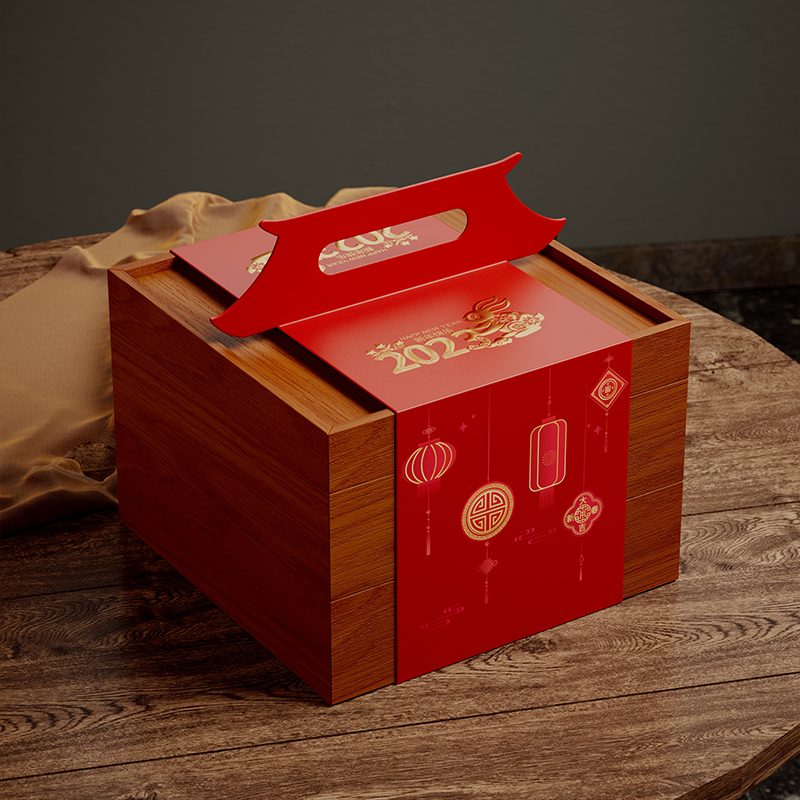
Two letters decide how a packaging project starts. With OEM you arrive with a product and a brand and choose from structures that already exist — material, colour, finish and logo on a proven body. With ODM you arrive with an idea and the structure is designed around it. Both end in the same factory and the same ten production steps. What differs is how much of the design work happens before the first sample, and what that costs in time, tooling and risk.
This guide sets out what each route actually involves, where buyers misjudge them, and how to decide which one your programme needs.
OEM: choosing from what exists
OEM means the structure already works. A box format has been tooled, sampled and produced before; you select it and specify the parts that carry your brand — material, colour, finish, lining, hardware and logo. Because the tooling exists, development is short and the outcome is predictable.
This is also the route that gets you to market fastest. Ready-to-ship designs are held in stock and go out from 50 units per design, which makes OEM the practical way to test a market, cover a launch date or fill a range without committing to a full development cycle. Full custom OEM — your own materials and finishes on a proven structure — starts at 500 pcs per design.
ODM: designing what does not exist yet
ODM starts earlier. You bring a sketch, a reference image or a description of what the packaging has to do, and the structure is developed from it: concept sketches, a structural drawing, detail drawings and a 3D render before anything is cut. That design work is the product.
ODM is the right route when the packaging is part of the product — an unusual bottle shape, a set that has to assemble in a specific way, a display piece that does not behave like a box. It is also the route when an existing structure forces a compromise you are not willing to make.
What the development path looks like
Both routes run through six stages: requirement discussion, brand and market context, creative design, material development, cost review, then manufacturing and delivery. OEM enters that path at the material stage, because the structure is already settled. ODM enters at the creative design stage and spends real time there.
Both then converge on the same sampling window. Sampling takes about 15 days and includes 3D digital proofing plus two rounds of revision, and production runs about 30 days after the sample is confirmed.
Time: where the weeks actually go
The 15-day sampling window covers the physical sample, not the design work behind it. On an OEM programme, most of that window is material matching and finishing. On an ODM programme, part of it is structural development, and complex pieces may need more than one sample round before the structure is right.
Buyers who plan for 15 days on an ODM project are usually the ones who discover, three weeks in, that the structure needs a revision. If the design is genuinely new, plan for the design phase separately from the sample phase.
Tooling: the difference that shows up in the invoice
OEM usually means existing tooling, which is why the minimum is lower and the lead time shorter. ODM means new tooling — an insert mould, a die for a debossing, a jig for a shape that has never been cut — and that cost has to be amortised across the order.
This is the practical reason for the 500 pcs minimum on custom work. Tooling is not cheaper at 200 units; it is spread across fewer units. If your volume cannot carry it, OEM on a stock structure is usually the better commercial answer, even if the design is less distinctive.
Risk: the two routes fail differently
OEM fails on fit. The structure exists, so the question is whether it fits your product — dimensions, weight, how it sits in the insert. That risk is managed by sending real product dimensions, or the product itself, before sampling.
ODM fails on feasibility. A structure can render beautifully and still be difficult to assemble, expensive to finish or fragile in transit. That risk is managed by reviewing the structural drawing and the 3D render carefully, and by asking what the design costs to make before approving it — not after.
How to choose
Choose OEM when the product is standard, the timeline is short, the volume is unproven, or the packaging is a container rather than part of the product experience. Choose ODM when the product shape is unusual, the packaging does something structural, or the design is a brand asset worth paying for.
Many programmes are a mix: an ODM structure for the hero product and OEM structures for the rest of the range, sharing materials and branding so the family reads as one. That is usually the most cost-effective way to get a distinctive lead product without developing every box in the range.
What to send in a first enquiry
For either route, the useful starting information is the same: product dimensions and weight, quantity, target delivery date and destination, and any reference images of what you have in mind. For ODM, add what the packaging has to do that a standard box cannot — that sentence is the design brief.
Design files are accepted in AI, C4D or PDF. A sketch or a reference photograph is enough to start a conversation; the structural drawing and 3D render are what we produce from it.
Cost review, and why it happens before manufacturing
Custom packaging goes through cost review at three points: materials, process efficiency and logistics. On an OEM programme that review is mostly about selecting materials and finishes within an existing structure. On an ODM programme it starts earlier and has real influence on the design — a structure that needs a hand operation at assembly costs more per unit than one that does not, and that difference is visible on a drawing long before it is visible on an invoice.
Asking for the cost review before the design is frozen is the single most effective thing a buyer can do to control unit cost.
A side-by-side checklist
| Question | If the answer is yes → |
|---|---|
| Is the product a standard shape and size? | OEM on an existing structure |
| Is the launch date inside 60 days? | OEM, or ready-to-ship stock |
| Is first-run volume under 500 pcs? | Ready-to-ship from 50 units per design |
| Does the packaging have to do something structural? | ODM |
| Is the packaging part of the product experience? | ODM |
| Can the volume carry new tooling? | ODM; otherwise OEM |
| Do you have a sketch or reference image? | ODM — send it with the enquiry |
Both routes end in the same place: a sample you approve, production in about 30 days, inspection before shipment, and packing for export. Design files in AI, C4D or PDF; drawings and 3D renders produced in house; enquiries answered within 24 hours.
See custom packaging boxes for programme options, our service process for how development runs end to end, and contact us to send a brief.
With OEM you choose a proven structure and specify material, colour, finish, lining and branding on it — development is short and the outcome predictable. With ODM you bring a sketch or an idea and the structure itself is developed: concept sketches, structural drawing, detail drawings and a 3D render before anything is cut.
The unit cost is not inherently higher, but ODM involves new tooling — an insert mould, a debossing die, a jig for a new shape — which has to be amortised across the order. That is the practical reason custom work starts at 500 pcs per design. Ready-to-ship OEM designs start from 50 units per design.
Sampling takes about 15 days on both, including 3D digital proofing and two rounds of revision, then production runs about 30 days after sample confirmation. The difference is upstream: ODM needs time for structural development before the sample window starts, and complex pieces may need more than one sample round.
Product dimensions and weight, quantity, target delivery date and destination, plus any reference images. For ODM, add one sentence on what the packaging has to do that a standard box cannot — that is the design brief. Design files are accepted in AI, C4D or PDF; a sketch or reference photo is enough to begin.